

 YouTube
 Apple Podcasts
 Spotify
 iHeartRadio
 Pandora
 Deezer
 Amazon Music
 Podchaser
 PocketCasts
 $100K+ R&D Tax Credit You’re Leaving on the Table (No Lab Coats Needed) 2026

The R&D tax credit is a dollar-for-dollar federal credit for businesses that solve technical problems, and most of the companies that qualify have never claimed it. No lab coats, no patents, and no research department required. If you run a manufacturer, a software company, an architecture or engineering firm, a construction company, or even a winery or brewery, and your people are paid to work through problems they don't already know how to solve, this episode is for you.
In this episode of The Tax Strategy Playbook, David Wiener, Mr. Cash Flow, sits down with R&D specialist Brian Broussard of CSSI to explain the credit in plain English: what qualifies, what doesn't, how big it gets, and what it takes to claim it for this year and for years you've already filed.
What's covered:
- The four-part test in Section 41 of the tax code: a new or improved business component, technical uncertainty, a process of experimentation, and a basis in the hard sciences
- The six kinds of business component: product, process, technique, invention, formula, or software
- Brian's client example: a patent law firm building in-house software, where about $6 million of qualifying wages produced a credit of roughly $600,000
- Why Brian uses about 10 percent of qualifying spending as a rule of thumb, and how a lower year against a busy history can shrink the credit or eliminate it
- The three buckets of qualifying costs: employee wages, supplies used up in the research, and U.S. contractors, where only 65 percent of the contractor cost counts
- What doesn't qualify: travel, reverse engineering, work done outside the U.S., and funded research where you don't carry the risk or keep the rights
- Engineering firms whose everyday design work meets the test, and why they often have the largest credits
- Documentation: tying qualified people to qualified projects when you don't track time
- Why R&D spending is deductible again: the One Big Beautiful Bill Act ended the requirement to spread domestic research costs over five years, starting with tax years beginning in 2025
- Claiming credits for prior years on amended returns within the three-year window, the extra documentation those claims require, and when amending isn't worth the cost for an S corporation or partnership with many owners
- Four common myths, and state credits that can stack on top of the federal one
This is the second of two episodes with Brian. The first covers Section 179D:
Episode 8: Section 179D Tax Deduction Explained: Who Qualifies and What It's Worth
Chapters
00:00 The R&D tax credit most businesses never claim
02:15 Brian Broussard returns
02:48 What the R&D tax credit is in plain English
03:22 Who qualifies: manufacturing, software, engineering and more
04:08 Wineries, breweries and craft beer
05:34 The four-part test
08:56 Case study: a patent law firm's in-house software
11:16 How big the credit gets: the 10 percent rule of thumb and the base period
12:51 The three buckets: wages, supplies, contractors
14:32 What doesn't qualify
15:25 Everyday work that qualifies without feeling like R&D
18:28 Documentation the IRS expects
21:52 R&D expenses are deductible again
24:52 Claiming prior years
27:28 First steps to find out if you qualify
28:45 The study process and timeline
30:09 Four R&D myths
32:31 State R&D credits
33:45 Your next step
35:23 Final thoughts
Nothing in this episode is tax advice for your situation. Whether your work qualifies depends on your facts, and your tax professional makes the call.
Your host: David Wiener, "Mr. Cash Flow"
David.wiener@cashflowstrategies.us
Think your business might qualify? Book a no-cost analysis. No obligation, no pitch, and David will tell you if a study won't pay for itself:
https://calendly.com/david-wiener/cs
Or call 770-224-8504, option two.
The newsletter is free, and it gives you access to the 2026 Tax Planning Guide and the Playbook notes for each episode at no charge:
https://www.taxstrategyplaybook.com/newsletter/
Know a business owner whose team is always fixing, designing or improving something? Send them this one.
#RDTaxCredit #TaxCredits #BusinessTaxSavings #ManufacturingTaxCredits #SoftwareTaxCredit #EngineeringFirms #TaxStrategy #MrCashFlow #TaxStrategyPlaybook
David Wiener: Are you quietly walking past $100,000 or more in legal tax credits every single year? I'm not talking about some obscure loophole. I'm talking about the R&D tax credit. And no, you don't need lab coats, patents, or a billion dollar tech company to claim it. If you run a construction firm, an architecture or engineering practice, a manufacturing plant, a software company, â any business where smart people are paid to solve hard problems, There's a very real chance you're donating a lot of money to the IRS and you don't even know it. So today we're going to show you how to stop doing that. Welcome back to the Tax Strategy Playbook where we give real estate investors, business owners, and entrepreneurs practical strategies to cut taxes, boost cash flow, and build long-term wealth. I'm your host David Wiener In our last episode, last week, we broke down the final window for â energy efficient building deduction, and what you need to do before the June 30th, 2026 cutoff. Today's part two of that, call a mini-series, we're diving into the R&D tax credit. What it is actually in plain English. What kind of companies really qualify. How big the dollars can get. And how to know if your business is leaving serious money on the table. My guest again today is Brian Broussard. My colleague at at CSSI and go-to guy when it comes to R&D and 179D. He's done this for a long time and he spends his days working with companies and other businesses. turn their everyday innovation and problem solving into real defensible R&D tax credits. He's helped countless owners and CFOs discover credits they never knew they qualified for. Often in the five and six figure range. Brian, welcome back.
Brian Broussard: Thank you having me again, David. I appreciate it.
David Wiener: Good to have you here. Let's strip away the jargon, because I know what people think when they hear research and development. Let's make this simple for everybody listening.
Brian Broussard: Sure, well you mentioned it already. It's not â lab coats and test tubes, right? It's more really simplified as a technical approach to problem solving.
David Wiener: Okay, so in plain English, is an R&D tax credit? What kind of activities is it actually rewarding inside of a business?
Brian Broussard: So again, it is a tax credit, not a deduction. So it is more beneficial than a deduction, but it is a dollar for dollar tax credit that companies can qualify for based on activities that basically technical approach to problem solving activities. So, you â know, we'll down deeper into a little bit more what that means with regard to a four part test and how we qualify those activities and ultimately talk about those expenses that make up this credit.
David Wiener: Excellent. So kind of companies do you see most often that qualify for this?
Brian Broussard: there's a range of companies that qualify, but I'd say that the top kind of part of the companies I think would be more of like manufacturing and software development type companies. Manufacturing is just very, very broad in how many areas of manufacturing that we look at from chemical to tool and die to job shops. So manufacturing is really a big, big industry that qualifies for the credit. Software development is probably second on the list. And then you've got your architecture and engineering companies that can qualify. also things â like â fashion industry can qualify agriculture. there's â the biotech and the industries. Those are also pretty good ones as well. It's really not just directed at â one type of industry. It really is on the activities â that they do.
David Wiener: So you and I are both connoisseurs of wine. What about a vineyard? Would winemaking company or even a brewery, I mean they've got to test and â try things and they qualify as well?
Brian Broussard: Absolutely. There's a lot of R&D that goes into that. There's a lot of uncertainty with different wineries, with different vintages, with different distilleries, So we're able to look at those activities because if you think about a lot of these breweries that are craft breweries, every year they're always coming up with new types of beers. I mean, I've seen grapefruit beer out there, which is crazy to me. But they had to go through an R&D process. They had to go through testing. So yeah, there's there's expenses there that they can generate tax credits as well.
David Wiener: I saw a dill pickle beer a couple weeks ago and I I heard that there was somebody who made hot dog water beer.
Brian Broussard: You're not seeing it. I have not
David Wiener: Not sure that I would want to try it, they would qualify for and development. They've got to decide what kind of hot dogs they want the water to be, and I guess. â So somebody's in a job site trailer on a plant floor in a software meeting or testing grapes for what does qualifying R&D look like in their day-to-day work? We could talk about the
Brian Broussard: â There's something there, I'm sure.
David Wiener: four stage test, is it that looks it looks like in day to day work?
Brian Broussard: Well, so let's kind of actually address the four part test because I can actually tie it to a little bit of the breweries and the wineries out there and kind of give maybe some examples of different activities. So this four part test, this is laid out in the code. Anybody can look it up under section 41 of the IRS code. But basically this four part test is what we use to qualify activities regardless of the industry, whether again, it's the breweries or wineries or distilleries, or if it's a manufacturer pharmaceutical company. Same four part test, we just apply it to the company and what the activities are. So the first part of this four part test is it has to be a new or an improved business component. And that's defined by six different areas. It can be a new and improved product, process, technique, invention, formula, or software. So with breweries, there could be multiple business components. There could be a new process. I'll give you an example of one here in a second, but A new process could be one, new formulation. That be also another business component, a new product, right? It's something tangible that they're developing. So that's the first thing. And there can be multiple business components with a company. Figure out what the business component is, then move on to the second part. And that's technical uncertainty with the business component. And how are you going to do it? What are the technical challenges that are involved with maybe this new brew that you're trying to come up with? You know, there's all different types of things that we can look at to figure out what those challenges would be. Doesn't have to be a certain amount of them. It just has to be one or more. Third part, process of experimentation states we go through like a iterative design process or an evaluation of options or alternatives to address those uncertainties of business component. So how many batches of brews are made they get it right? Right? There's a lot of trial and error in there. And a lot of that stuff that they've spent on supplies, those materials, those raw material costs that goes into the brews, as well as the brew maker and the brew master's time, all that stuff can be looked at and be potentially captured towards a tax credit. And the last part, it's got to be technological in nature, principles of the hard sciences, whether it's engineering, chemistry, physics, computer science, things like that, as opposed to soft sciences like sociology or psychology. So when you're looking at brewing, that's chemistry. That's a mixing of chemicals in different formulations.
David Wiener: I was thinking too that third test in a software company that's kind of like beta testing, right?
Brian Broussard: Yeah, there is a life cycle that software goes through from a platform through that architecture platform all the way until it gets out there, tested and ultimately put into use. You know, I have an example, one of my favorite wines. I'm sure if I can say the name of it, but it's in California. guy I met, and we're going to be doing an R&D study for him as well. He made one of his wines like the Romans and the Greeks used to make it. And that's he mixed it with 1 % seawater. And they aged it in terracotta barrels. And so we went through this whole process of talking about how they do that, how they test it, and how they come up with the right formulations. And now we're doing a study for this winery. Really interesting, really good wine. You'd be surprised that you'd say seawater. It's got little bit of that hint of sea salt, but it's actually a very good wine.
David Wiener: Interesting. I think sea salt makes everything taste better so I can see that. So okay we've sort of killed the idea that this is just for lab coats and for big tech. put some real numbers behind it so people can see what it looks like when you actually claim the credit. Can you walk us through a client anonymously? Of course you've worked with where R&D credits made a big difference â as far dollars and cents.
Brian Broussard: the Right.
David Wiener: What were they doing on their projects that turned out to qualify?
Brian Broussard: â I maybe one of my favorite ones, this is of the ones that also really kind of play into the fact that, you know, this is definitely not a lab coat test tube type of company. So this is a law firm that we did an R&D study for. And when you think about law firms, what's the R&D there, right? There doesn't really have any R&D with a law firm. Well, this law firm actually... â software developers because they are a patent law firm and they were developing in-house patent software that is eventually being made available for lease license or sale. So not only did the the attorneys that own the law firm have software developers on staff but they were also they also had backgrounds in software as well as being attorneys. So that is one of the ones that we looked at that these and lawyers and software developers at these law firms make a lot of money. They're getting paid two to $300,000 a year. And when they're doing nothing but software development, we're able to capture all of those costs with regard to their wages. And I think that if I recall that we ended up capturing about, I think it was about 6 million in total salaries and wages towards R&D activities. It's pretty good sized law firm. And think the total amount of people there was a about 80 people and I think that we took about 20 people or so, but some of these people that were working at the law firm are making three, 400, maybe even $500,000 a year. So when you add all those expenses up, we got about 600,000, 600 million, I'm sorry, 6 million, excuse me, of R&D expenses that was basically translates to about 10 % of that being a tax credit. So in that case, 6 million translates to about a $600,000 tax credit.
David Wiener: That's pretty good. Is that typical where it's 10 % of whatever their expenses were? Or how does that work?
Brian Broussard: Typical, I'd say more than likely, yeah, it's about 10%. It can be less. There's a thing called a base analysis that we have to look at because the R&D credit is a credit from increasing R&D from a historical point with the company to the current year. And so typically a lot of companies that we work with are growing and their R&D in the past is a lot less than the current year, but some companies that might have a down year this year and they had higher R&D in the past, Well, that 10 % of those expenses might be lower. It might be 8%, it might be 5. And if they had a ton of R&D in the past and not much in the current year, they could be based out, which means there's no credit because they just didn't have enough R&D to overcome our base period.
David Wiener: And so it sounds like company that's regularly doing R&D of some sort, where ongoing development process improvement work, it could turn into a meaningful returning credit, recurring credit year after year, right?
Brian Broussard: I'd say that every one of my clients that we have, we've been doing studies every year for, only time I'd say we stop â studies if they, â get bought out or, if they retire and close the business. But yeah, this is a yearly thing because most companies that do R and D are constantly innovating. They're constantly keeping up. Software is a huge one right now because all of the AI that's out there. So everybody's trying to adapt to AI and developing new platforms that can, you know, handle this AI software.
David Wiener: Big time, big time. Yeah. So what actually goes into determining the credit? Is it just wages or is it also, you know, product that's tested and not used? And how does that how does that work? What goes into it?
Brian Broussard: Mm-hmm. Sure. Good question. So there are three main buckets that make up this credit. three buckets. The first one, the main one I would say is the employee wages. So we're able to allocate an employee's time towards R&D activities and basically put that into a bucket of what we call QREs, which is our qualified research expenditures. And once we take all the employee's time and allocate R&D accordingly and put it into our bucket of QREs, That right there is one bucket â of costs that we have towards the credit. The second bucket can be supply cost. And supply costs are defined as raw materials that are consumed in the R&D process that do not have a shelf life of longer than a year. If it has a shelf life longer than a year, then it's probably a piece of equipment that's being capitalized and you can't capture that towards R&D. But think about manufacturing companies who are developing a widget or whatever it is, the raw that go into developing that new â or an product. we can potentially capture those supply costs towards our credit. Our last bucket that we look at is outside contractor expenses. And those are defined as basically 1099 or companies that are being outsourced towards your R&D. It has to be in the States. If you outsource things overseas, we cannot capture that stuff because it kind of defeats the purpose of the credit of increasing R&D here in the States. But there's the potential we can capture 1099s towards your R &Ds as R&D credits as well.
David Wiener: What about travel that would be involved?
Brian Broussard: Good question. So I have a lot of people that ask me, you know, that they travel all over the country, going to different shows, trying to get ideas for different products that they're working on. Unfortunately, travel does not qualify and travel expenses do not fall under. You know, the qualifying expenses is actually expressively mentioned in the code that stuff like that, even patent expenses, law, firm expenses, things like that, go into maybe a new product or travel. Those are all specifically excluded from qualifying for the credit.
David Wiener: Well, that just kind of leads me into the next question because, you know, we want to keep people away from wishful thinking. We want them to understand what the credits are, but keep away from wishful thinking. Are there specific activities that you see that do qualify but don't feel like R&D to them or that don't qualify that they think might?
Brian Broussard: Sure, I'd say that the activities, what I get a lot from like engineering companies is that when we look at, let's just say it's a mechanical engineering company or an MEP, mechanical electrical implement engineering company, the design work they do on projects that can qualify towards the credit. Now an engineer just thinks that all they do day is just do design work. It's their job, right? That right there, what they don't realize is that the code is more expansive on what R&D is. It goes back to that four part test. And when you look at an engineering company and the design work that they're doing from a business component standpoint, that's going to fall under a new or an improved process because every project they work on is a different project with its own different challenges. There's the uncertainty part and they're going to work through those challenges through different design iterations and hopefully come up with a solution. There's your process of experimentation part. The tech in nature, engineering is a hard science. So those are types of companies that think that their everyday activities is just something they do. They don't even think about qualifying. And those companies are typically the large, or the companies that typically generate the larger credits because they have nothing but engineers on staff. They don't have a lot of overhead staff. So they typically have a bunch of technical people on staff and they typically generate larger credits.
David Wiener: makes sense. On the other side, are some things that people assume are R&D that really don't qualify? So if you have a couple of clear examples of nice try but no, I would assume travel falls under that category. What else?
Brian Broussard: Yeah, travel, but also people think about like reverse engineering. And while if you think about it, you think about, know, that's kind of like an R&D activity. You're taking something apart. You're trying to figure out how to â reverse engineer Well, code says no, that's not something that we can capture towards R&D. So that's an example of R&D. I would say that, you know, some people that think they're doing R&D, if they have a lot of government clients, while may meet the four part tests, there's some other requirements that have to basically be looked at to qualify for the credit and really it's economic risk. So while they may be meeting the four part tests and think they do R&D all day long, if certain contracts are written certain way or if intellectual property is not retained by the taxpayer. Even though they meet the four part test, they might not qualify for R&D. So there's different things we have to evaluate. A lot of variables that go into it.
David Wiener: That makes sense too. And I am assuming that there are people who think, yeah, we got this made and it's kind of, no, sorry. â
Brian Broussard: Yeah, unfortunate because once you get through explaining everything, they're excited. They think that â % of what they do is R&D. And then once we into the second part of it, â and we that there's a of government contracts, we have to talk about those and make sure that they meet that portion as well. So every call is
David Wiener: it's important that they find out so they don't try to claim it and then wind up talking to the IRS later on and getting all that reversed. So let's talk a little bit about documentation because they're going to have to have evidence. So what kind of evidence do you really need to support an R&D credit?
Brian Broussard: Absolutely, absolutely. So that really is the key, honestly. The IRS is really big on documentation and substantiation. Now, here's the thing though, not all companies things the same way. Not everyone uses time tracking, not everyone uses certain contracts or different types of travelers maybe through a manufacturing industry. So every company is different and IRS does also understand that. But they still want to see some type of documentation that provides nexus. And Nexus being, you qualified employees tied to qualified projects. If they don't have time tracking, there's other ways we can look at different things like emails. Maybe there's different types of paperwork that go through a manufacturing facility that people have to sign off on. One of the kind of the strangest, I say, the strangest â things I've across was â with that law firm, with the patent law firm. When he came up with one of the ideas for the software, he was literally in the shower and he jumped out of the shower, got a napkin and started sketching it out on what he wanted to do. And we know this because this napkin is actually framed in their office because this is where they got the original idea for this software. And so that is a form of documentation, right? So it's all different. It's just, we've to figure out what the client has available and see what we can do with that in order to put it into a package that
David Wiener: well.
Brian Broussard: can pass substantiation with the IRS if they were ever to challenge it.
David Wiener: And that's what we can help them with.
Brian Broussard: And that's what we do. That's right. And that's why the CPAs send it. don't, CPAs don't want to really mess with the R and D. They always outsource that because, yeah, they've got the other thousand pages of the code to worry about. We specialize in about, you know, 24 pages of the code. So very involved. â a lot of, you know, interviewing that goes on. There's a lot of documentation gathering. There's a lot of calculations that we put together to help substantiate these claims.
David Wiener: Yeah, my dad was a CPA and I've quoted him a lot of different times, but one of the things he taught me was to be a CPA in today's world, you've got to be about â 10 miles wide and a foot deep, but you need to surround yourself â with who are a foot wide and 10 miles deep. And that's kind of the role that we play with a lot of CPAs all over the country who work with these businesses and with real estate investors and all those kinds of things. We're the specialist in certain areas that they can call on. We're going to take good care of their clients, and we're going to help them look good in the eyes of their clients as well.
Brian Broussard: And we're also not afraid to admit if we don't know something. It's one of those things that, I've got one of my resources that we have is an ex IRS chief counsel. He was at the IRS for 18 years and he actually argued cases for the government on R&D. So there's some famous cases out there that he actually argued, but now he's on the private side. And so if I'm not sure about certain things or I feel like certain things are gray area. I'll give him a call and I'll get his expertise on that too and get his thoughts because he's been on that side, right? And he knows what they wanna see and yeah, it's a great resource that we have as well. So I know what I know, but if I don't, then I'm gonna get help.
David Wiener: it's good to have help. So when I have questions I come to you when you have questions you go to him. One way or another we're going to find the answer to all of that kind of stuff. So there's been a lot of noise over the last few years about R&D tax credits. From the perspective of a business owner or a CFO not a tax lawyer what does the landscape look like for R&D credits and the way that R&D are treated today?
Brian Broussard: Exactly. Right. So to kind of put that in perspective and give you an idea of what it was a few years ago, going all the way back to 2017 with the Tax Cuts and Job Act, part of the way they showed how to pay for the tax cuts was they really played with the way R&D expenses were treated. So it was a 10-year deal. The first five years, R&D expenses were treated just like they have been since the 80s, 100 % deductible in the tax year they're identified, and you get to take a credit on top of that. That's where the benefit is. In 22, you actually had to start amortizing those R&D expenses over five years. And since the government's on a fiscal year, indeed you would deduct 10 % of those R&D expenses for 2022 in that year and the other 900,000 would amortize out. Well, if you didn't have other expenses to offset that 900,000 left in taxable income, that created a huge tax bill. And the kicker is this wasn't optional. This was law. This was mandatory that you had to amortize 174 expenses. And same thing for 23 and 24 until the bill got repealed to OBBBA repealed the requirement. And now we're all back to 100 % expensing of the R and D credit, R and D expenses and taking the credits on top of that. So it's become really beneficial again for people. Yes, it's back to normal. But you know, Congress is going to Congress sometimes, you know, it should never happen to begin with.
David Wiener: And it should be staying that way as far as we can see. I totally agree with that. treatment of R&D costs, how does that change the after-tax cost of innovation? In other words, I guess what I'm getting at is how much cheaper does it make it to hire engineers and developers and technical people to build or improve things? since they're able to expense it the first year.
Brian Broussard: It's not really necessarily that it's cheaper. It's more beneficial for people to actually be hired on as W-2 and do an R&D versus maybe outsource at 1099. There is a different kind of calculation when we look at wages versus 1099 people. When it comes to wages, they're weighted differently. If we have a hundred thousand dollar a year person that's R&D related and maybe 50 % of their time is R&D, we get to take 50,000 of that towards the QREs, me, qualified research expenditures. But if you outsource it to a contractor for the same work, we only get to take 65 % of those expenses towards the credit. So it's a little differently weighted when you're dealing with a W-2 employee versus the work to 1099.
David Wiener: And I guess they would have to look at the difference in cost between a W-2 and a 1099 as well.
Brian Broussard: Right.
David Wiener: So if a company's never claimed R&D credits before, is there a realistic opportunity to go back and capture prior years?
Brian Broussard: Sure, so basically the R&D credit is subject to a three year statute of limitations. So we can go back three years â look at potential expenses and claim credits. The process amending returns for R&D versus timely filed â is a little different. timely filed returns, basically it really is just another form on the tax returns, 67, 65 form that gets included in the tax return. If it's a C corporation, then the credit stay with the C corp. And if it's a pass through, it flows through to the K ones and then the shareholders or partners. And then we put the report together for a timely file return. With the mental returns, the process is a little bit different because they actually want documentation kind of more substantiated upfront. And so we actually have to put a package together. The IRS has actually laid out what they want to see. And while we don't have to do that on a timely file return, For amended returns, we do have to put a package together and it does go through a review to get paid out.
David Wiener: OK. And I would assume that study would be a little more expensive.
Brian Broussard: Yeah, typically a little bit more for the amended years, but once we do it the first time, obviously we're done, then we're doing it on a go-forward basis and it truly becomes a timely filed yearly study.
David Wiener: Fantastic. Would they have to refile each year that they were looking at for the last three, if they were going back three years, would they have to refile each one of those?
Brian Broussard: They would, there's certain things we want to consider too when we're going back and amending returns for R&D. We have figure out what our fee is. That's a cost, We also have clients that are maybe S corporations, again, or partnerships, and they might have 10 shareholders. And if you have 10 shareholders and you amend that S-Corp for R&D, well, that gives you 10 new K-1s. And so then 10 people have to amend the return as well.
David Wiener: Ha
Brian Broussard: Got to figure in all that cost. And we've actually talked with clients and advised them, say, listen, the credits aren't large enough you guys to amend because the cost of everything, including the amending, isn't really worth the time for you guys and worth the exposure. But it's a one-person firm or a couple of people and everyone's on board and credits make sense, then yeah, and the documentation is also key because they do look at it â upfront, yeah, we'll look at amending prior years and going back after those credits.
David Wiener: So let's give them some practical steps that they can take. If somebody's listening, whatever kind company they're running and they think there may be some meat there as far as R&D tax credits, what are the first steps you want them to take right away? Again, would it be contacting me, putting some documents together?
Brian Broussard: Yeah, that the first step would be obviously before you dive into it too much is contact you and I. Let's have a discussion to see what's available, what's there, right? Because they may think they're doing R&D and once I discuss it with them, they may realize they're not doing it. They may not meet the test or they may think that they've got a little bit of R&D and there and once we have a discussion, there might be a lot more they're not even thinking about that they just, you know, it's part of their everyday business. â call us, let's talk about it. It doesn't cost you anything. may just cost you 15, 20 minutes on the phone and let's just have some high level discussions on what they do.
David Wiener: And they can get both of us on a Zoom call whenever they need, even if they're just looking into it, to get questions answered and that sort of thing, right?
Brian Broussard: Absolutely. You always tell people that whenever we're looking at an initial company to evaluate R&D, how total employees do you have â and many of those total employees are technical, right? It could anywhere from people that are in the job shop, â CNC machinists, all the way up to software developers or engineers or again, pharmaceutical staff, things that. if you've got probably at least five to six technical people at a minimum, then it's probably gonna be worth looking into a little bit further.
David Wiener: If I heard from somebody who's saying we're growing and we've built internal software and improved processes for years, but we've never claimed R&D credits, realistically, what kind of a timeline are we looking at and what kind of a process to evaluate prior years and start claiming going forward?
Brian Broussard: So I think that process is a three phase process. The phase one is estimation. And that's where we gather some high level information from these clients, tax returns, W2s, job titles, things like that, and conduct a quick call just to kind of talk to them about R&D, what the activities are. And from there, I'd say within a week or two of getting the information, we can put together an estimate of what we think the credits are gonna fall. And at that We can determine if it makes sense to move forward or not. And not only current year, but if we want to look back in prior years. phase two is our qualitative and quantitative phase. And that's where we dive down deeper into the actual projects themselves, as well as employee activities, shore up everything, make sure the documentation is correct, and ultimately finalize the credit forms and provide them to the CPAs and them to incorporate into their tax returns. And then phase three is the reporting. We put everything into a bound deliverable that really just tells a story. And it serves as the first line of defense if it's ever challenged. With our study process, we also include audit defense if it's ever challenged in the future. So that is something that we provide â to stick behind our work and stay with you throughout the process. â
David Wiener: Same as we do for cost segregation, right? So already covered all of these, but I know there are myths out there, so I'm going to throw out some statements. Again, you tell me true, false, or it depends. Just a quick explanation. Question number one, R&D tax credits are only for giant tech and pharma companies. â How I know you were going to say that? Number two, you don't have lab coats, patents, or a formal R&D department, you can't claim the credit.
Brian Broussard: That's right. â Okay. Absolutely false. Again, false.
David Wiener: And third, if your CPA hasn't brought up R&D credits, you probably don't qualify.
Brian Broussard: That is false as well. know, one of the things, it's funny you say that some CPAs are a little nervous to bring it up because they think that they didn't bring it up before. listen, they have so much to worry about that there are so many CPAs that don't even think about R&D and they may not be educated on what the four-part test is. it's not, you know, something to be embarrassed about. I've had CPAs say, can't believe I didn't think about this in the past. It's now let's do it. Right? Let's at least get it going forward and start saving these clients tax dollars
David Wiener: So and one, claiming R&D credits is basically asking for an audit. It's not worth the risk.
Brian Broussard: false. it used to be a tier one issue. think that was in 2012. They dropped it. So the R and D credits, it's nothing to be scared of. They obviously it's part of the tax code. They want you to take it. Now I'm not going to claim a, maybe a roofing company with a CFO at a hundred percent R and D allocation. That that's probably not going to pass the smell test, but you know, if you think that, you know, you might be doing R and D, let's have a discussion. Let's, let's vet it. Let's see if that's the case.
David Wiener: You And if they don't qualify, we're not going to let them go forward anyway.
Brian Broussard: And, â Yeah, I like to sleep at night. I don't, don't like to play with the IRS. I like to, you know, stay with them, stay in my lane and claim it. can, we can substantiate â you know, and get the clients some benefits. â addition to this, you know, not only does the federal have a credit, but a lot of states have credits too. So there's, there's a way that you can â kind of double benefit. â in, most cases, â California's got a great credit. I'm in Texas. Texas has got a pretty good credit now. They actually just increased it this year. So a lot of states have credits as well.
David Wiener: That's good to know. That's great to know. And you know, I've done other episodes and written articles on the fact that tax preparation and tax strategy, two completely separate things. If you work with a tax professional that just does tax preparation, they're looking backwards. just filling out forms after you send them your P &L and your balance statement and your taxes and that's it. Tax strategy is vital. for people if they really want to take advantage of the tax code. tax strategist is going to at least be familiar enough to look at all these things to bring up and mention it â and hopefully send them our way. But this has been a great conversation. R&D just seems to be, you know, to a lot of people, smoke and mirrors, and they don't totally understand it. So. And I think we've accomplished what we set out to do. We've talked about what an R&D tax credit actually is and isn't, who could realistically qualify, and how everyday problem solving could turn into meaningful recurring tax credits. That sounds good to me. â talked through real world examples, the kind of activities that qualify, the ones that don't, and what kind of documentation they're going to be looking for. So if you're listening and thinking, you know, we're constantly designing and fixing and improving things, but we've never even talked about R&D credits with our CPA, this is your sign. Don't this doesn't apply to you just because you don't wear lab coats or run a tech startup. You might be â quietly six figures or more on the table every year. â So make your next step simple, again, I've put together a free one page R&D tax credit playbook. It gives you a quick overview. some concrete examples of qualifying activities across different industries, talks about the four tests and the questions you need to ask so you can find out if your business is missing out on it. If you got value from this episode, do three quick things for me. Number one, share this episode with one business owner, CEO, CFO, technical leader, no matter what business they're in, if they're always solving problems, you might be the reason they discovered a huge tax credit that they didn't know existed. Number two, Subscribe to the tax strategy playbook newsletter Get free resources including my 2026 tax planning guide and my R&D playbook go to taxstrategyplaybook.com sign up for the newsletter Number three subscribe to this tax strategy playbook on YouTube Apple or Spotify So you don't miss future deep dives on powerful tax strategies and incentives And I think I'll add one more if you didn't see last week's episode about 179 D tax deductions Go back and watch that one right away because I think that's really important. Again, Brian, again for coming back and sharing your expertise. I appreciate it. I'm looking forward to seeing you in June.
Brian Broussard: Thanks again, Dave. I appreciate it.
David Wiener: I'm David Wiener, Mr. Cash Flow. This is the Tax Strategy Playbook, where we turn the tax code into your competitive advantage. I'll see you on the next episode.
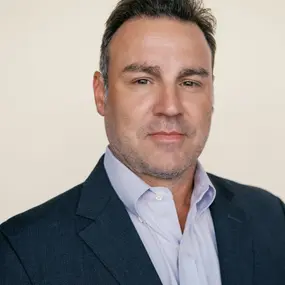
Executive Vice President - R&D & 179D
Brian began his career after graduating from the University of Houston with a Bachelors in Architecture. After working for a few architecture firms in Houston, the financial crisis of 2009 forced a career change. A friend in tax consulting suggested he use his knowledge of the Architecture, Engineering and Construction (AEC) industries to assist companies in identifying Research and Development (R&D) tax credits. In 2010, Brian traded his T-Square and AutoCAD for a copy of the IRS code and a calculator and has not looked back.
Currently, Brian leads a staff of experienced R&D project managers from various backgrounds including engineers, modelers, accountants, technical writers and attorneys. Regardless of the size of the client, he is directly involved in all phases of the study process, from initial engagement through final reporting.
When Brian isn’t identifying tax credits for clients and CPAs, he spends time with his wife Stacy, children Luke and Charlotte and dog Stevie. They love trying new restaurants, wine tasting (Amarone), taking the kids to indoor play places, and traveling to tropical locations and where he never forgets to bring his golf clubs.