Free cost segregation, 179D and R&D analysis. No obligation, and I'll tell you if a study won't pay for itself.

Blog Posts

Sept. 26, 2026

What Counts as a Land Improvement, and Why Does It Depreciate Over 15 Years?
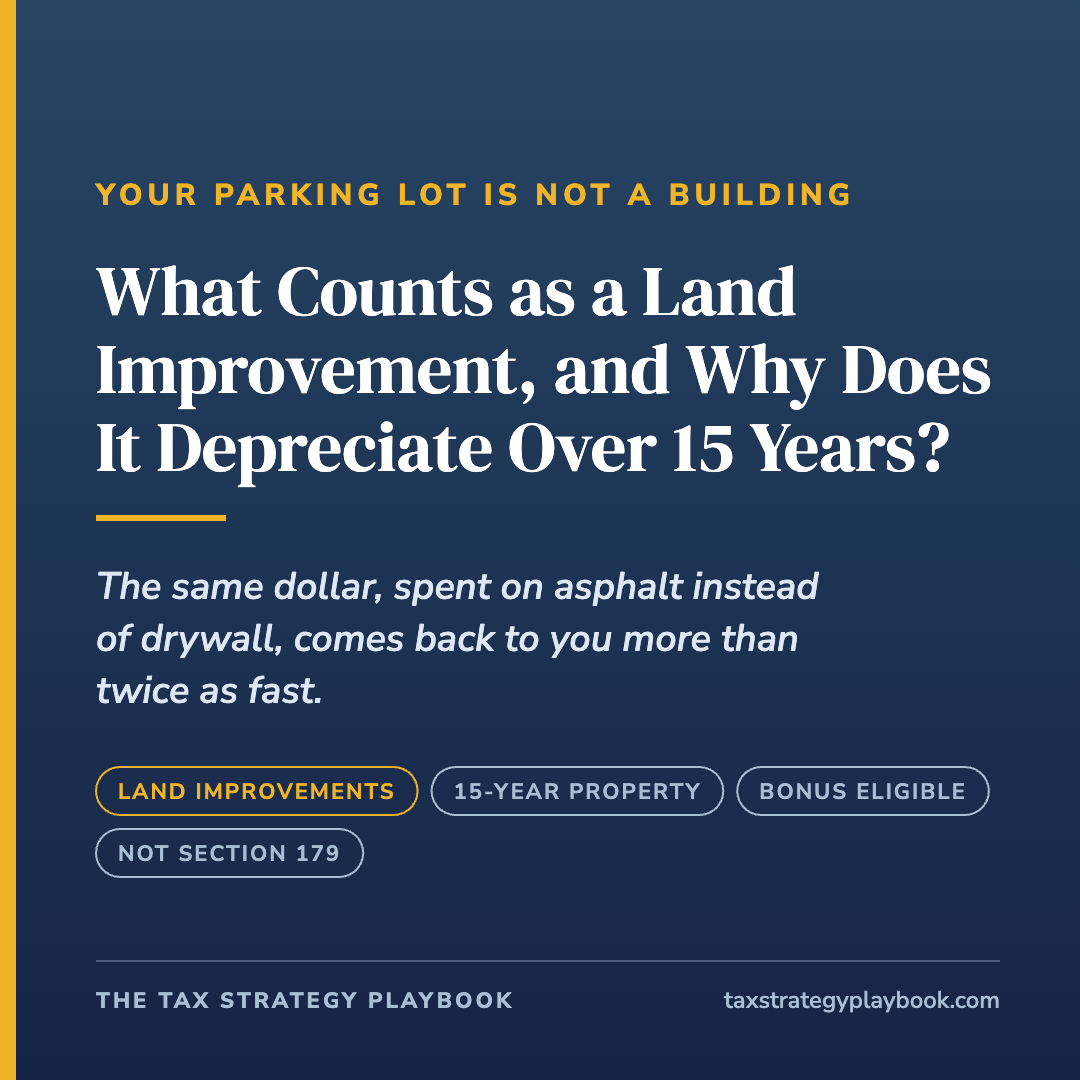
TL;DR: A land improvement is anything built on the dirt that is not the building itself. The parking lot, the sidewalks, the fence, the landscaping, the site lighting, the storm drains. The IRS puts those in their own asset class, separate from the …


View more
Sept. 24, 2026

Can Startups Use the R&D Credit Against Payroll Taxes?

TL;DR: Yes, and it is one of the most overlooked pieces of money in the startup world. A qualified small business can apply up to $500,000 of federal R&D; credit per year against its payroll taxes instead of its income taxes. That distinction is eve…

View more
Sept. 22, 2026

Why Mobile Home Park Cost Segregation Studies Yield 80 Percent Accelerated Depreciation

Running a cost segregation study on a manufactured housing community can unlock up to 80 percent of the purchase price in 15-year land improvements. By separating the land and infrastructure from tenant-owned structures, real estate investors can ma…

View more
Sept. 17, 2026

Who Qualifies for the 179D Deduction Now That the Sunset Has Passed?

TL;DR: More people than you would guess, for years to come. Congress ended new 179D eligibility for projects that begin construction after June 30, 2026, and that date is behind us. But the deduction did not vanish on July 1. Buildings that started …

View more
Sept. 16, 2026

What Documents Do You Need for a Cost Segregation Study?

TL;DR: Less than most owners fear, and none of it to find out whether a study is worth doing. What documents you need for a cost segregation study depends on how the building came to you. Buy it, and the closing statement and purchase agreement carr…

View more
Sept. 15, 2026

EIDL Loan Default Consequences: Can the Treasury Seize Your Personal Tax Refund?

When the Treasury Department takes over collection of a defaulted COVID-era EIDL loan, it can intercept federal tax refunds, garnish wages up to 15 percent, and tack on a 30 percent collection fee—all without ever stepping foot in a courtroom. Busin…

View more
Sept. 10, 2026

What Happens When You Sell a Property After Cost Segregation?

TL;DR: You pay some of the benefit back through depreciation recapture, and you keep the rest. Depreciation you claimed on reclassified 5, 7, and 15-year components gets taxed on sale, some of it at ordinary income rates, while regular building depr…

View more
Sept. 8, 2026

Is Solar Still 5-Year Property? What Changed for Projects That Started After 2024

TL;DR: Congress removed solar and wind from the five-year property list for anything that began construction after December 31, 2024. A separate five-year route is still open, but it runs on a different clock and a different set of definitions. Clea…

View more
Sept. 8, 2026

Why You Must File IRS Form 3115 for Missed Rental Depreciation

IRS Form 3115 is the ultimate mechanism for real estate investors who bought properties years ago and never performed a cost segregation study. This four-page document allows you to catch up on every missed dollar of accelerated depreciation in a si…

View more
Sept. 7, 2026

Do You Still Have to Use Percentage of Completion on Residential Construction Contracts?

TL;DR: If you build residential property with more than four units to a building, and you signed the contract in a tax year that began after July 4, 2025, you are no longer required to report that job on the percentage of completion method. Congress…

View more
Sept. 3, 2026

What Is Form 6765, and What Changed for 2026?

TL;DR Form 6765 is the form that carries the federal R&D tax credit onto your return. For tax years beginning after 2025, a section of it called Section G stops being optional. Section G makes you report the credit project by project instead of as …

View more
Sept. 3, 2026

Does Cost Segregation Trigger an IRS Audit?

TL;DR: No. There is no evidence that a properly done cost segregation study raises your audit risk, and the IRS itself publishes a guide telling its examiners how to review one, which is about as clear a signal as you get that the agency considers c…

View more
Sept. 2, 2026

Who Gets the Cost Segregation Deduction in a Partnership?

TL;DR: Nobody at the entity level. Who gets the cost segregation deduction in a partnership is answered by the operating agreement, which splits the depreciation and sends each piece out on a K-1. Whether a partner can actually use their piece is a …

View more
Sept. 2, 2026

Solo 401k vs SDIRA UDFI Rules: Which Account Avoids Real Estate Taxes?

Using retirement funds to purchase real estate through a non-recourse loan can trigger Unrelated Debt Financed Income (UDFI) in a self-directed IRA. However, real estate investors can completely sidestep this complex tax liability by utilizing a sol…

View more
Aug. 31, 2026

The 95 Percent Line Between Expensing Your Whole Factory and Carving It Up

TL;DR: Section 168(n) lets a manufacturer expense the building itself, not just the equipment inside it. IRS Notice 2026-16, released February 20, 2026, explains how. Buried in it is a 95 percent de minimis election. Clear 95 percent of "physical sp…

View more
Aug. 27, 2026

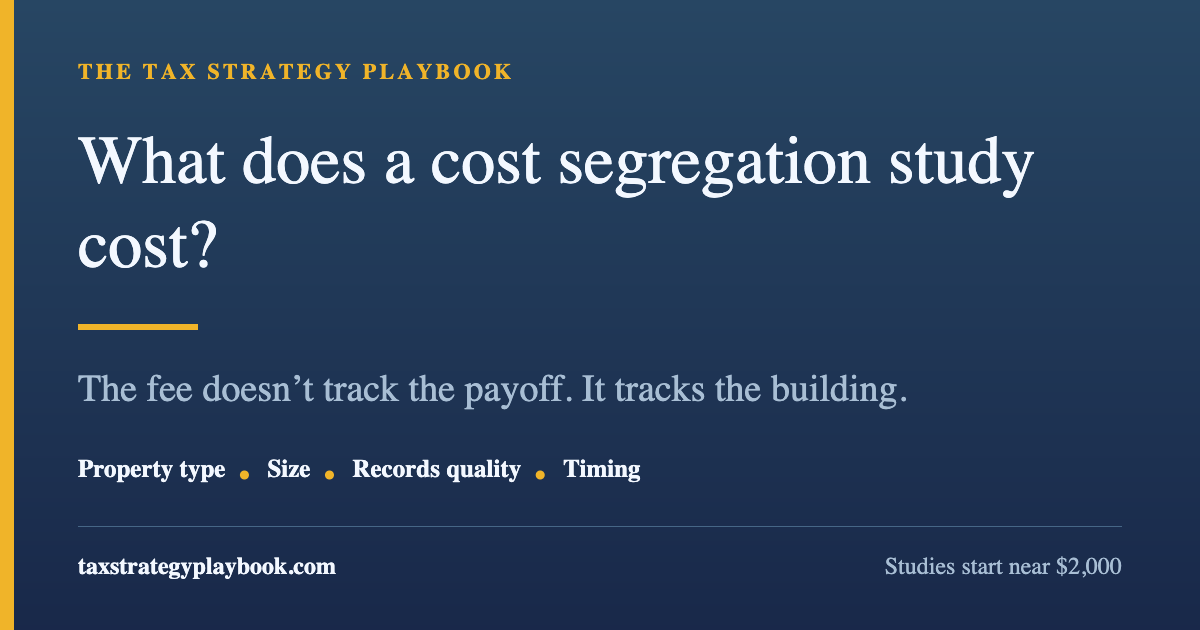
What Does a Cost Segregation Study Cost? (And How to Know If It Will Pay for Itself)

TL;DR: Most engineering-based cost segregation studies cost between $2,000 and $6,000 for residential rental properties and $5,000 to $15,000 for commercial buildings, with large or complex properties running higher. The fee for any specific propert…

View more
Aug. 22, 2026

What Happens to R&D Credits in a Tax Audit?

TL;DR The IRS does not examine your R&D credit as one number. It goes project by project, asking four things about each. The paperwork you skip at filing is the paperwork you produce in an exam. Key Takeaways Examiners test each business compon…

View more
Aug. 21, 2026

How Far Back Can You Amend a Tax Return? The IRS Deadline, and the Rule That Beats It

TL;DR How far back can you amend a tax return? Generally three years from the date you filed the original return, or two years from the date you paid the tax, whichever is later. The IRS calls that the Refund Statute Expiration Date, and when it pa…

View more
Aug. 19, 2026

How to Read a Cost Segregation Proposal Before You Sign It

The short version. A cost segregation proposal is a scope document with a price on the bottom, and the price is the least useful thing on the page. Two firms quoting the same building can be selling two different work products. What separates them i…

View more
Aug. 18, 2026

Cost Segregation Audit Support: How to Build the Ultimate IRS Compliance Folder

When the IRS requests proof for a high-value real estate tax deduction, having an organized audit compliance folder separates a minor paperwork review from a major financial penalty. Discover the exact five documents you must assemble today to ensur…

View more
Aug. 12, 2026

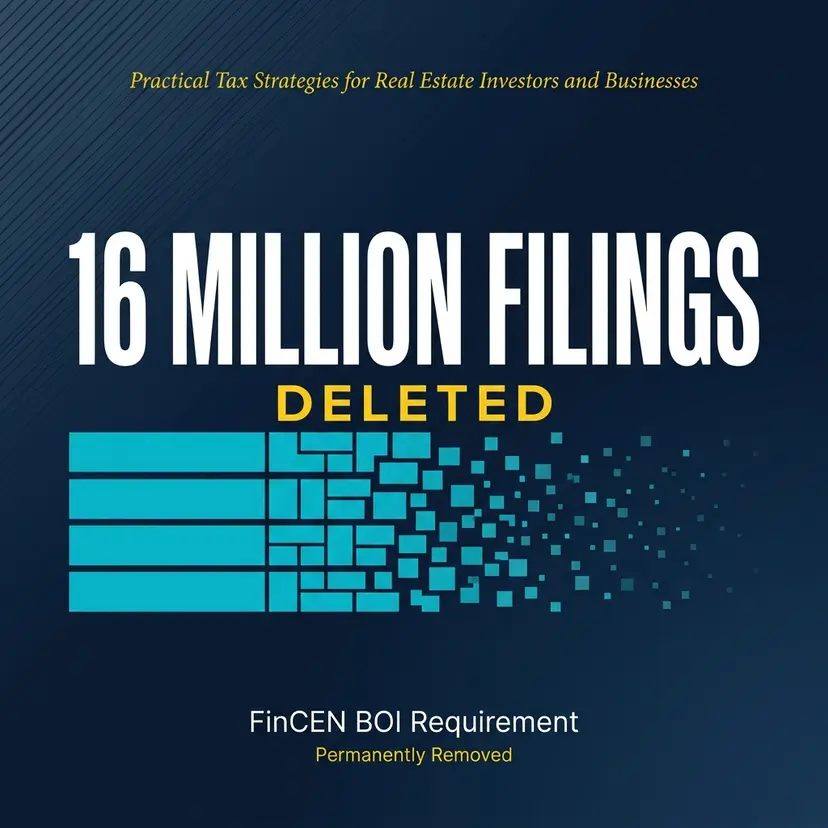
The BOI Requirement Is Gone: Here's What That Actually Means for Your Entities

TL;DR: FinCEN's final rule permanently removes the beneficial ownership information (BOI) reporting requirement for U.S. companies and U.S. persons under the Corporate Transparency Act. Previously filed data will be deleted. Foreign entities still f…

View more
Aug. 11, 2026

DST vs 1031 Exchange: Which Exit Strategy Protects Your Real Estate Equity?

Choosing between a Delaware Statutory Trust and a traditional 1031 exchange determines whether you stay actively managing properties or transition to a completely hands-off, diversified passive investment portfolio. This detailed breakdown explores …

View more
Aug. 8, 2026

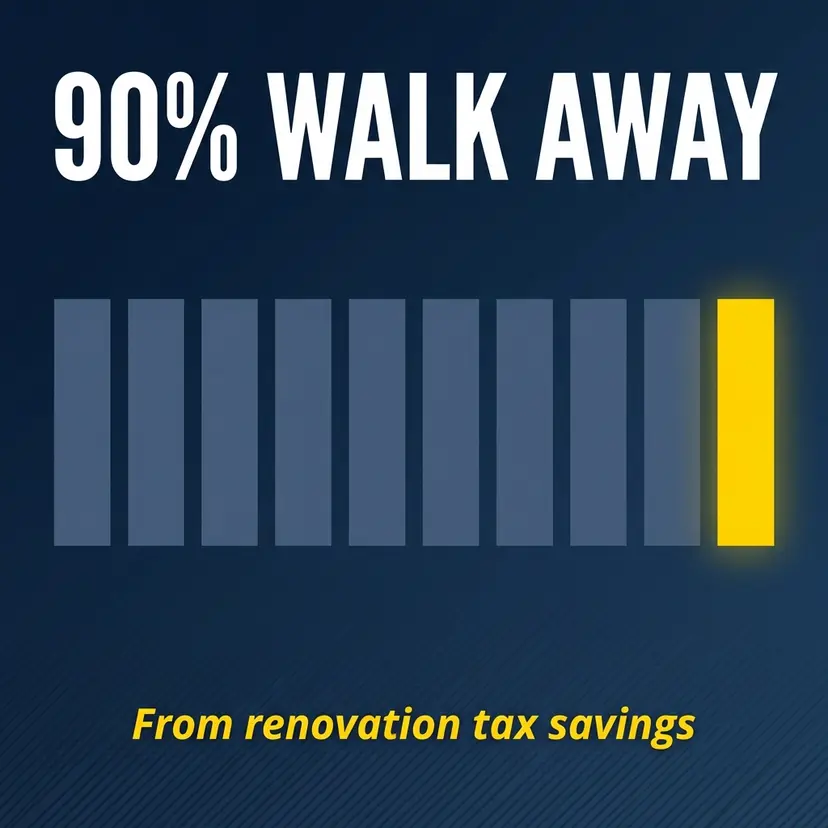
How to Turn a Renovation Into a Tax Strategy: A Step-by-Step Guide to PAD and QIP

TL;DR: Commercial real estate owners who renovate without using Partial Asset Disposition (PAD) and Qualified Improvement Property (QIP) are overpaying taxes on work they've already done. PAD lets you write off the remaining basis of components you …

View more
Aug. 4, 2026

IRS Installment Agreements vs Offers in Compromise: Which Tax Debt Resolution Option Is Right for You?

When you owe back taxes and cannot pay the IRS in full, navigating your resolution options can feel overwhelming. Choosing between an installment agreement and an offer in compromise requires a careful look at your asset equity, disposable income, a…

View more
Send a voicemail or question