Maximize Your Legacy: 721 UPREIT for Landlords' Estate Planning
Tired landlords can leverage the 721 UPREIT for seamless wealth transfer. This strategy allows you to exchange appreciated real estate for OP units, deferring capital gains and simplifying estate planning for your heirs, offering a sophisticated approach to legacy building beyond traditional methods.
Key Takeaways
- The 721 UPREIT facilitates a tax-deferred exchange of property for operating partnership (OP) units, effectively deferring capital gains taxes.
- OP units offer a pathway to liquidity by potentially converting into publicly traded REIT shares, providing heirs with greater flexibility than direct property inheritance.
- This strategy simplifies the complex process of real estate asset distribution among beneficiaries, avoiding potential forced sales or partition actions.
- By exchanging into an UPREIT, landlords can diversify their portfolio and reduce the burden of active property management, allowing for more strategic legacy planning.
- A 721 UPREIT structure can provide heirs with professional management and a more stable income stream from a diversified portfolio of real estate assets.
Simplifying Estate Transfers with the 721 UPREIT
For many real estate investors, the ultimate goal extends beyond accumulating wealth; it's about effectively transferring that wealth to future generations. The 721 UPREIT strategy offers a sophisticated solution for landlords who have built substantial real estate portfolios and are now contemplating their legacy. Unlike the direct inheritance of physical properties, which can be complex and tax-inefficient, a 721 exchange into an Umbrella Partnership Real Estate Investment Trust (UPREIT) streamlines this process significantly, focusing on long-term wealth preservation and ease of distribution.
When you contribute your appreciated real estate assets to an UPREIT in exchange for Operating Partnership (OP) units, you are essentially converting illiquid real estate into a more manageable and potentially liquid investment. This initial exchange is a tax-deferred event, meaning you postpone paying capital gains taxes on the appreciation of your contributed properties. This deferral is crucial, as it allows your capital to continue working for you rather than being immediately diminished by taxes. For estate planning purposes, this means that the value passed to your heirs is not immediately encumbered by a large tax liability from the original sale.
Navigating Liquidity for Heirs Through OP Units
One of the primary challenges in real estate estate planning is the illiquidity of physical assets. Heirs often face the difficult decision of selling properties, potentially at unfavorable times, to access their inheritance or to cover estate taxes. The 721 UPREIT structure, however, addresses this by providing a pathway to liquidity. While OP units are not as liquid as publicly traded stocks, they offer a distinct advantage over direct real estate ownership. Under certain conditions, OP units can be converted into shares of the publicly traded REIT that sponsors the UPREIT. This conversion can be a gradual process, allowing for strategic market timing and mitigating the risk of a forced sale.
This phased liquidity is invaluable for estate planning. Instead of heirs inheriting a portfolio of properties that require extensive management, maintenance, and potential selling efforts, they receive OP units. These units can then be redeemed for REIT shares over time, allowing heirs to access funds as needed for taxes, living expenses, or other investment opportunities. Furthermore, the REIT structure often provides a more stable and predictable income stream through dividends, which can be more appealing and easier for beneficiaries to manage than the responsibilities associated with direct property ownership.
Diversification and Professional Management as Estate Benefits
The 721 UPREIT inherently promotes diversification, a cornerstone of sound investment and estate planning. By contributing a single property or a collection of properties into a large UPREIT, investors gain exposure to a broad portfolio of real estate assets across various markets and property types. This diversification reduces the risk associated with any single asset or market downturn.
For heirs, this diversification translates into a more resilient and stable investment. Instead of inheriting the concentrated risk of one or a few properties, they benefit from the spread of risk inherent in a large REIT portfolio. Additionally, UPREITs are managed by experienced real estate professionals. This means that the day-to-day operational burdens – tenant relations, maintenance, leasing, and property upgrades – are handled by experts. This professional management is a significant advantage for heirs who may not have the expertise, interest, or time to manage a real estate portfolio themselves, ensuring the assets continue to generate income and appreciate efficiently without placing undue responsibility on the beneficiaries.
Planning for Succession with a 721 Structure
Integrating the 721 UPREIT into your estate plan can significantly simplify succession. Traditional estate planning with real estate often involves complex valuations, potential disputes among heirs over property division, and the need for legal structures like trusts to manage distributions. The 721 structure simplifies this by converting the tangible, often difficult-to-divide real estate into fungible OP units.
These OP units can be more easily allocated among beneficiaries according to your estate plan. If specific properties are to be designated for certain heirs, the UPREIT structure doesn't preclude that; however, for broader wealth distribution, the OP units offer flexibility. Moreover, the tax-deferred nature of the initial exchange means more value is preserved for the estate. While heirs will eventually face taxes upon the sale or redemption of their OP units, they benefit from the stepped-up basis at the time of the original owner's death on any unrealized gains within the OP units, which can be a significant advantage. This strategic use of the 721 UPREIT allows for proactive estate planning, ensuring that your hard-earned real estate assets can be passed on smoothly and efficiently, preserving wealth and minimizing tax burdens for your loved ones.
The Long-Term Vision: Beyond Tax Deferral
While the immediate tax deferral of a 721 UPREIT exchange is a powerful incentive, its true value for estate planning lies in its long-term implications. It transforms the often burdensome responsibility of active real estate ownership into a more passive investment vehicle that can generate ongoing income and be more readily integrated into a comprehensive legacy plan. For landlords who are approaching retirement or simply seeking to reduce their active involvement, the UPREIT offers a strategic pivot.
This strategy allows for a gradual transition, providing a sustainable income stream that can support the investor during their lifetime and then be seamlessly transferred to heirs. The flexibility to convert OP units to REIT shares offers a built-in mechanism for liquidity that can be timed to meet the needs of beneficiaries, whether for immediate expenses, further investment, or simply to provide financial freedom. By choosing the 721 UPREIT, investors are not just deferring taxes; they are actively shaping how their real estate wealth will be managed, preserved, and distributed for generations to come, turning a complex asset class into a structured tool for enduring legacy creation.
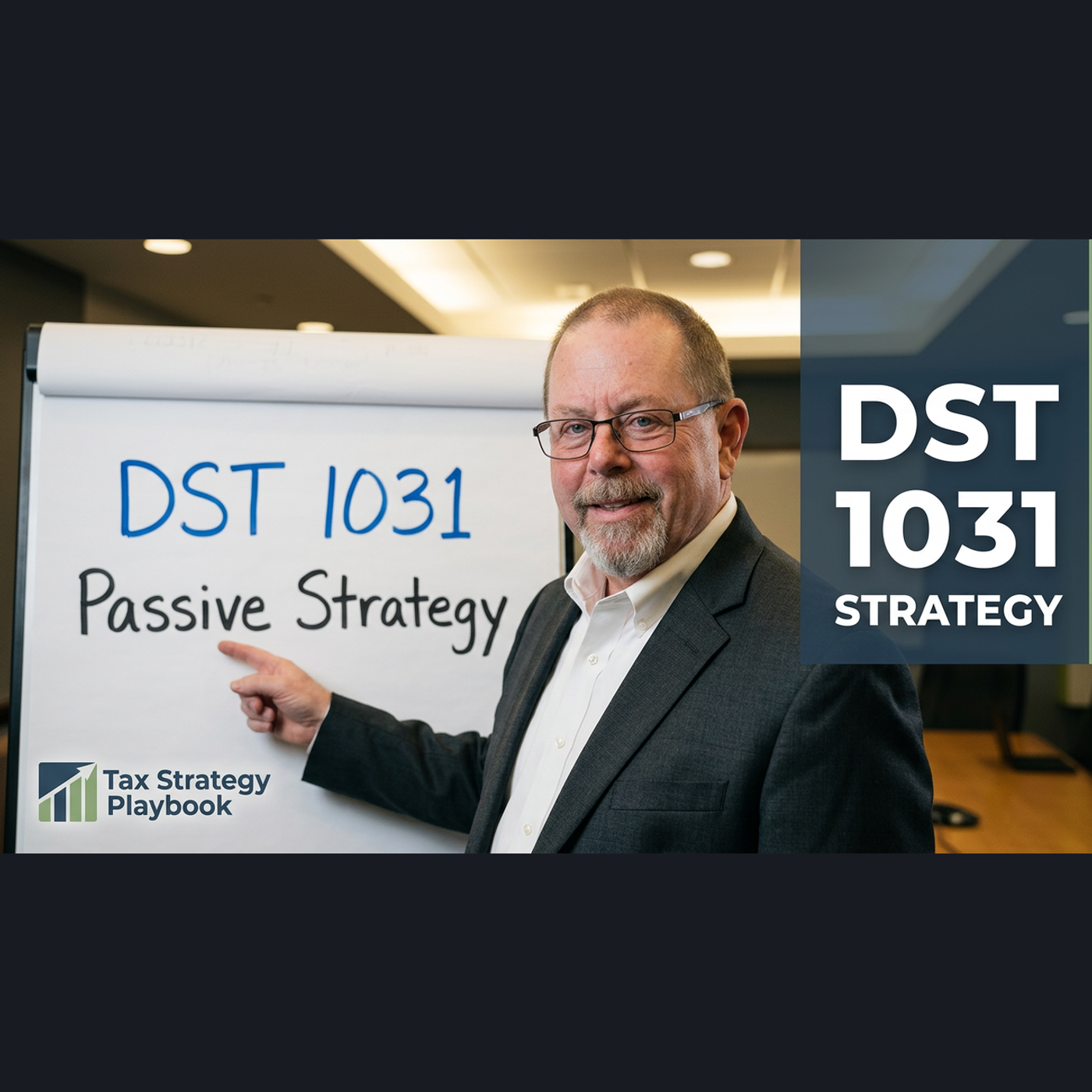
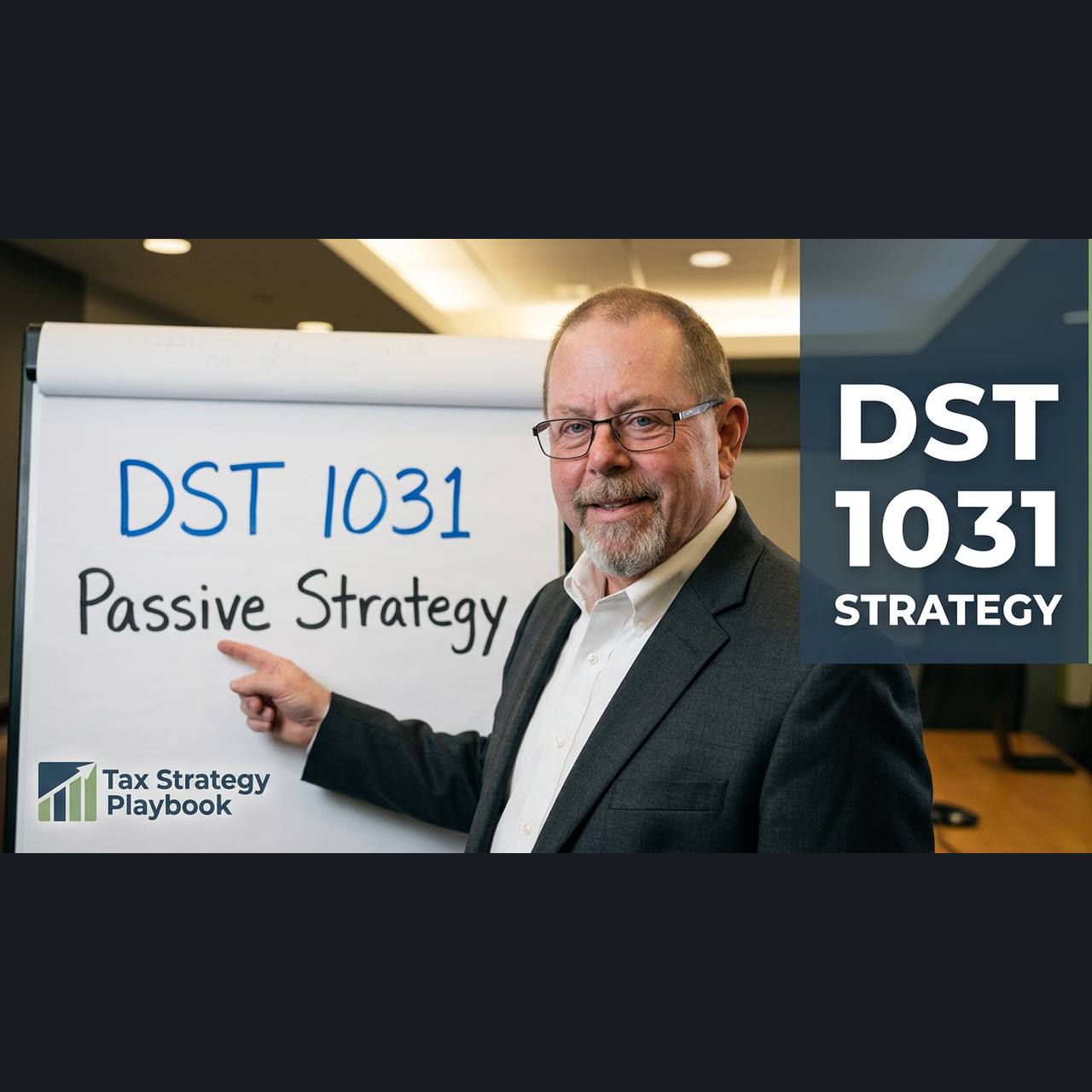
For a deeper dive into how tired landlords are leveraging sophisticated tax strategies like the 721 UPREIT, listen to the full episode of The Tax Strategy Playbook: "How Tired Landlords Are Escaping $1M Tax Bills Using DST 1031 (Without Buying Another Property)" here.
Frequently Asked Questions
What is the primary advantage of a 721 UPREIT for estate planning?
The primary advantage is the ability to convert illiquid, actively managed real estate into more liquid, passively managed OP units, which simplifies wealth transfer and diversification for heirs while deferring capital gains taxes.
Can heirs easily access the value of OP units?
Yes, OP units can typically be converted into publicly traded REIT shares under certain conditions, providing a pathway to liquidity that is more manageable than selling physical properties.
How does a 721 UPREIT differ from inheriting property directly?
Inheriting directly means heirs get the property with its management burdens and potential for uneven distribution. With a 721 UPREIT, heirs receive OP units that represent a share in a diversified, professionally managed portfolio, simplifying distribution and management.
Are there any tax implications for heirs when they receive OP units?
The initial exchange into OP units is tax-deferred for the original owner. Heirs will receive a stepped-up basis on the OP units. Taxes are generally deferred until the heir sells or redeems their OP units for cash or REIT shares.

CEO of Cashflow Strategies, Inc., Tax Strategist, Speaker, Educator
David “Mr. Cash Flow” Wiener is a nationally recognized authority on real estate tax strategy and cash flow optimization, and the host of The Tax Strategy Playbook podcast. As Founder and CEO of Cash Flow Strategies, Inc., David has spent decades helping real estate investors, business owners, and their advisory teams legally reduce taxes, unlock hidden cash flow, and put more money back into productive assets instead of into the IRS.
Over the course of his career, David has become especially known for his work with cost segregation, 179D energy-efficient commercial building deductions, and other engineering-based tax incentives that accelerate depreciation and free up capital. He has also built a long track record in cash flow and accounts receivable optimization, helping clients improve profitability and financial stability without simply “working harder” or taking on more risk.
David is a sought‑after speaker, trainer, and educator, with audiences ranging from national industry conferences to small mastermind groups and professional associations. He is known for his clear, practical teaching style and his ability to translate complex tax concepts into simple, actionable plays that investors and advisors can use right away. Whether he is speaking to CPAs, medical and dental practice owners, or real estate investors, David’s message is consistent: tax strategy is one of the most powerful—and most overlooked—wealth multipliers available.
On The Tax Strategy Playbook, David brings that same real‑world experience and teaching approach to the microphone. Each epis… Read More

What Counts as a Land Improvement, and Why Does It Depreciate Over 15 Years?