Navigating the 'Lazy Zone': Proactive Strategies for Surviving Spouses Before and After Loss
The 'Widow's Tax Trap' often catches surviving spouses off guard, especially when they've relied on joint tax benefits. Understanding the proactive steps and the concept of the 'Lazy Zone' in cash flow planning can significantly mitigate this financial shock and preserve wealth.
Key Takeaways
- The 'Widow's Tax Trap' is a real financial risk for surviving spouses due to changes in tax filing status and often overlooked pre-death planning.
- The 'Lazy Zone' in cash flow planning refers to a period of reduced financial activity or investment, which, if not managed proactively, can exacerbate tax burdens post-loss.
- Proactive financial assessment and strategic adjustments before a spouse's passing are crucial to avoid the negative impacts of the Widow's Tax Trap.
- Understanding asset location, beyond just allocation, can unlock significant tax savings for surviving spouses.
- The goal is to transition from reactive tax management to proactive, lifetime tax planning, starting with assessing your current 'cash flow clock' position.
Understanding the Widow's Tax Trap Beyond Just Filing Status
Losing a spouse is a profound emotional and financial upheaval. While the emotional toll is immense, the financial repercussions, particularly concerning taxes, can create a secondary crisis. The 'Widow's Tax Trap' isn't about increased tax rates per se, but a cascade of factors that can lead to a higher tax bill for the surviving spouse. A primary driver is the shift in filing status from "Married Filing Jointly" to "Single" or "Head of Household." This transition can push the survivor into higher tax brackets with less favorable deductions, effectively increasing their tax liability on the same amount of income.
However, the trap is often more insidious than just a filing status change. It's frequently exacerbated by a lack of proactive financial planning *before* the loss. Many couples operate under the assumption that their financial and tax strategies will remain largely unchanged. This inertia, combined with the emotional and logistical challenges following a death, means critical tax optimization opportunities are missed. The surviving spouse, often left managing finances alone for the first time, may not have the knowledge or foresight to address these issues, thus falling into the trap.
The Cash Flow Clock and the 'Lazy Zone': A Survivor's Perspective
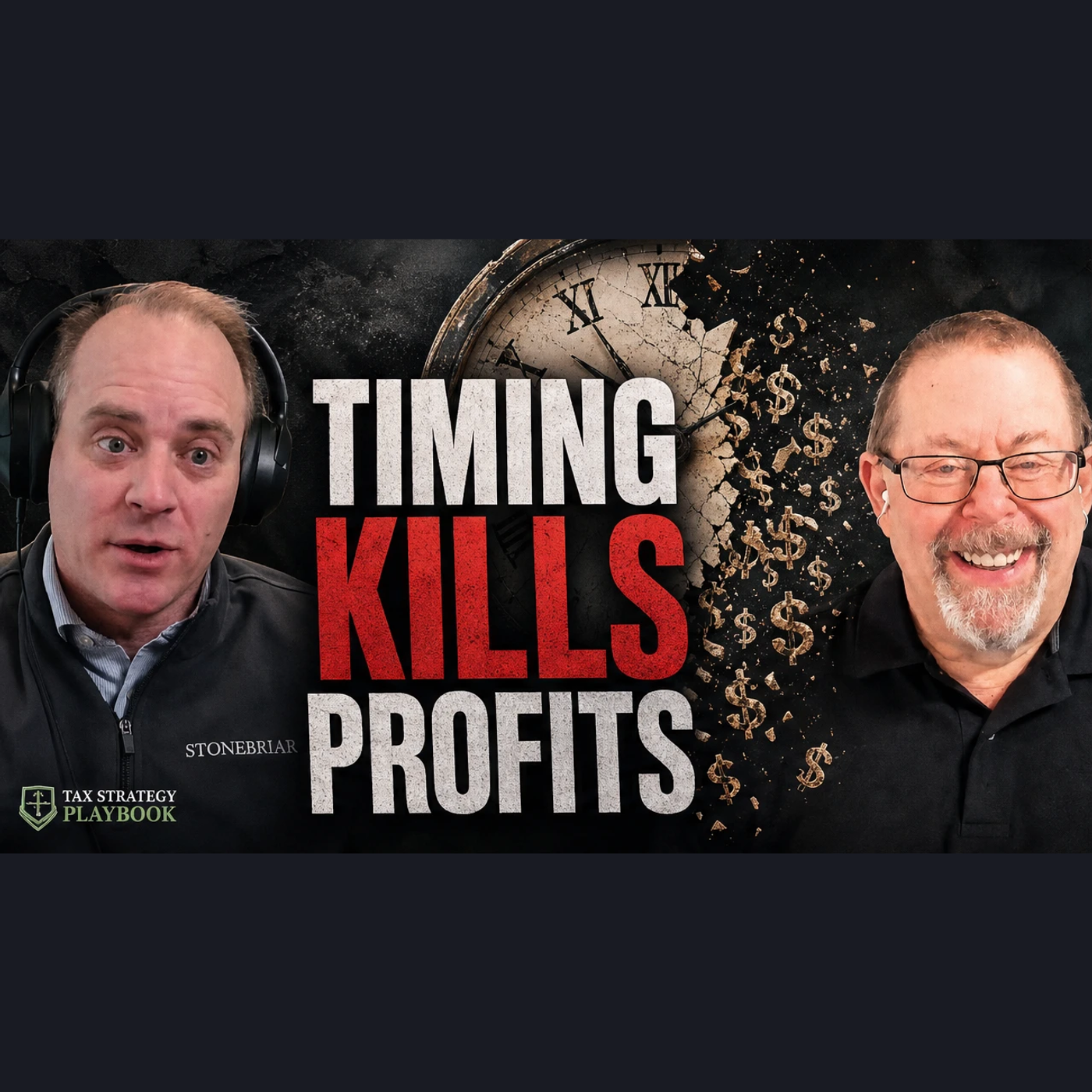
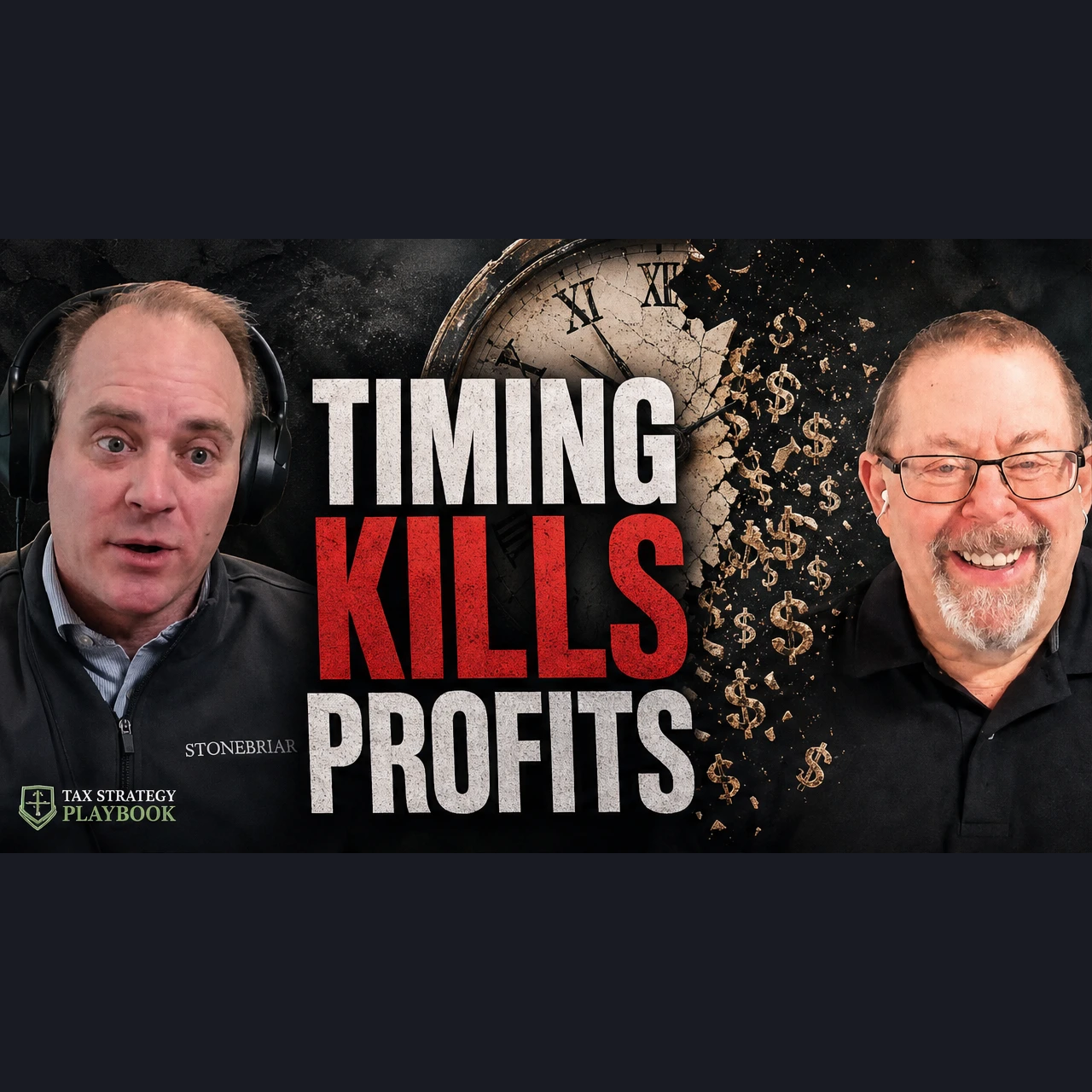
The concept of the "Cash Flow Clock" as introduced in this episode highlights the importance of *timing* in financial and tax strategies. It breaks down financial planning into different zones: the "Lazy Zone," the "Safe Zone," and the "Volatility Zone." For a surviving spouse, understanding where they—or more accurately, their *portfolio*—sits on this clock is paramount, especially when they might be in a "Lazy Zone" leading up to or following a spouse's death.
The "Lazy Zone" often represents a period where financial activity slows, perhaps due to life circumstances, a focus on other priorities, or simply a lack of aggressive financial management. If a couple has been in a "Lazy Zone" pre-death, it might mean that their assets haven't been optimally structured for tax efficiency. For instance, investments might be held in taxable accounts when tax-advantaged accounts could have been better utilized. Or, perhaps deductions and credits that were relevant during their joint years are no longer being maximized as a single filer. Post-death, continuing in this "Lazy Zone" means the surviving spouse inherits these suboptimal strategies, which can become a significant drag on their financial well-being, amplifying the Widow's Tax Trap.
Proactive Strategies to Escape the Trap: Starting Now
Escaping the Widow's Tax Trap requires moving *out* of the "Lazy Zone" and into proactive financial management. This doesn't necessarily mean drastic, high-risk actions, but rather strategic adjustments that optimize the surviving spouse's financial standing. The episode emphasizes that bad *timing* often causes more wealth destruction than bad *investments*. This is particularly true for surviving spouses.
One critical area highlighted is *asset location*, which is distinct from asset *allocation*. Asset allocation refers to how you divide your money among different asset classes (stocks, bonds, real estate). Asset location refers to *where* you hold those assets from a tax perspective (e.g., in a 401(k), IRA, Roth IRA, or a taxable brokerage account). A surviving spouse might discover that significant assets are held in less tax-advantaged locations, leading to higher capital gains taxes or ordinary income taxes upon sale or distribution. A review of asset location, considering the surviving spouse's new tax bracket and future income needs, is a crucial step.
Furthermore, understanding the nuances of tax deductions and credits available to a single filer or Head of Household is essential. The "Qualifying Widow(er)" status offers a two-year reprieve, mirroring joint filing benefits, but this is a temporary shield. After that, the surviving spouse must re-evaluate their tax situation. This includes looking at charitable deductions, medical expense deductions (which have AGI limitations that can be more challenging for a single filer), and potentially other deductions that might be more impactful now. A proactive approach involves assessing these potential changes *before* the end of the "Qualifying Widow(er)" period.
The Role of Lifetime Tax Planning for Survivors
The episode stresses a shift from tax preparation to tax *planning*. For surviving spouses, this means looking beyond the immediate tax return and considering the long-term implications of their financial decisions. This is where the "Cash Flow Clock" becomes a powerful tool. It encourages thinking about tax liabilities and opportunities over a lifetime, not just a single year.
Consider Roth conversions. While often discussed in the context of retirement planning for high earners, they can be a strategic tool for surviving spouses. If a surviving spouse finds themselves in a temporarily lower tax bracket due to the loss (perhaps before retirement or if income drops), a Roth conversion might make sense. Converting traditional IRA or 401(k) funds to a Roth IRA means paying taxes on the converted amount now, at the current, potentially lower rate, to allow for tax-free growth and withdrawals in the future. This is a complex decision that depends heavily on one's projected future income and tax rates, underscoring the need for personalized tax planning.
Ultimately, the goal is to avoid the reactive "I had no choice" moments that the tax code can create. By understanding concepts like the "Lazy Zone" and applying the principles of the "Cash Flow Clock," surviving spouses can move from being victims of the Widow's Tax Trap to being empowered architects of their financial future. This involves a deliberate assessment of their current financial state, identifying potential tax inefficiencies, and making strategic adjustments to ensure long-term financial security.
This episode provides invaluable insights into navigating these complex financial waters. To learn more about timing your tax strategies and avoiding costly pitfalls like the Widow's Tax Trap, listen to the full episode here.
Frequently Asked Questions
- What is the primary danger of the Widow's Tax Trap?
- The primary danger is an unexpected increase in the surviving spouse's tax liability due to changes in filing status, loss of certain tax benefits, and often, a lack of proactive financial planning prior to the loss.
- How does the "Lazy Zone" relate to the Widow's Tax Trap?
- The "Lazy Zone" refers to a period of reduced financial activity or planning. If a couple is in a "Lazy Zone" before a death, their assets might not be optimally tax-positioned, and continuing this inertia post-death exacerbates the tax challenges for the survivor, deepening the Widow's Tax Trap.
- Is "asset location" more important than "asset allocation" for surviving spouses?
- Both are important, but "asset location" is critical for surviving spouses because it directly impacts tax efficiency. Holding the right assets in the right *types* of accounts (taxable vs. tax-advantaged) can lead to significant tax savings that might have been overlooked during joint planning.
- What is the difference between tax preparation and tax planning for a surviving spouse?
- Tax preparation focuses on filing the current year's taxes accurately. Tax planning involves a forward-looking strategy to minimize tax liabilities over the long term, considering future income, potential life events, and optimization opportunities – which is crucial for navigating post-loss financial changes.

CEO of Cashflow Strategies, Inc., Tax Strategist, Speaker, Educator
David “Mr. Cash Flow” Wiener is a nationally recognized authority on real estate tax strategy and cash flow optimization, and the host of The Tax Strategy Playbook podcast. As Founder and CEO of Cash Flow Strategies, Inc., David has spent decades helping real estate investors, business owners, and their advisory teams legally reduce taxes, unlock hidden cash flow, and put more money back into productive assets instead of into the IRS.
Over the course of his career, David has become especially known for his work with cost segregation, 179D energy-efficient commercial building deductions, and other engineering-based tax incentives that accelerate depreciation and free up capital. He has also built a long track record in cash flow and accounts receivable optimization, helping clients improve profitability and financial stability without simply “working harder” or taking on more risk.
David is a sought‑after speaker, trainer, and educator, with audiences ranging from national industry conferences to small mastermind groups and professional associations. He is known for his clear, practical teaching style and his ability to translate complex tax concepts into simple, actionable plays that investors and advisors can use right away. Whether he is speaking to CPAs, medical and dental practice owners, or real estate investors, David’s message is consistent: tax strategy is one of the most powerful—and most overlooked—wealth multipliers available.
On The Tax Strategy Playbook, David brings that same real‑world experience and teaching approach to the microphone. Each epis… Read More

What Counts as a Land Improvement, and Why Does It Depreciate Over 15 Years?