The Tax Strategy Most Business Owners Never Use
TL;DR: Most business owners focus on tax preparation (filing correctly) instead of tax strategy (planning ahead). Preparation looks backward at what you already did. Strategy looks forward and structures decisions to legally reduce your tax bill. The same revenue can produce very different tax bills depending on which one you are buying.
Tax preparation is compliance work. You file on time and report what happened.
Tax strategy is proactive planning. You structure decisions throughout the year to minimize taxes legally.
The gap is expensive. A Treasury study put the average small business overpayment at $11,638 a year.
Strategy happens before transactions. Once money moves, your options narrow.
Your CPA does preparation. Few have time for strategic planning.
Why Business Owners Overpay Taxes
I've sat across from business owners who overpaid year after year without ever knowing it.
Not because they're doing anything wrong. Because they're doing exactly what they think they're supposed to do.
They hire a CPA. They send over their documents. They file on time. They pay what they're told to pay.
And they assume that's tax strategy.
What Is Tax Preparation vs. Tax Strategy?
What most people call tax strategy is tax preparation.
Tax preparation looks backward. It takes the transactions you already made and reports them to the IRS. It's compliance work. It prevents penalties. It keeps you out of trouble.
But it doesn't save you money.
A Treasury study found businesses overpaying their taxes by an average of $11,638 a year.
That's not money the IRS demanded. That's money left on the table because business owners focused on compliance instead of strategy.
Key point: Preparation keeps you compliant. Strategy keeps more money in your pocket.
How Tax Strategy Works
Real tax strategy is proactive. It structures your decisions throughout the year to optimize your tax outcome legally.
Strategy asks different questions:
-
What entity structure reduces your tax burden?
-
When should you recognize income or accelerate expenses?
-
Which depreciation methods create the largest deductions?
-
How do you time major purchases to maximize write-offs?
These decisions happen before you file. Before the year ends. Before the transaction closes.
Once the money moves, your options narrow dramatically.
Key point: Tax strategy starts before transactions happen, not after.
What Changes When You Plan Instead of File
I've seen identical service businesses earning $500,000 annually. Same revenue, same industry. One uses compliance-only CPA services. The other works with a strategic tax advisor.
The strategic business optimized entity structure, timed deductions, coordinated retirement contributions, and planned major purchases around depreciation schedules.
The compliance-only business filed correctly and paid what they were told.
Both returns are accurate. Only one of them was ever going to be cheap.
Key point: Preparation reports what already happened. Strategy changes what happens next, and that is where the money is.
Why Most CPAs Focus on Preparation, Not Strategy
Most CPAs are laser-focused on compliance because that's what keeps clients out of trouble.
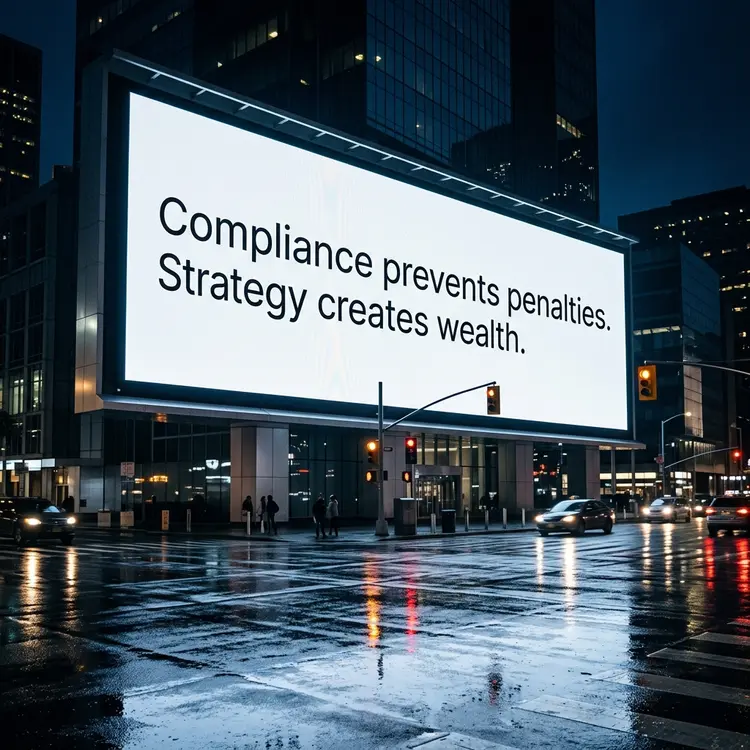
But compliance prevents penalties. Strategy creates wealth.
Your CPA might be excellent at preparation and still never explore cost segregation studies, entity optimization, or timing strategies that save you significant money.
It's not their fault. It's what they were hired to do.
Key point: CPAs do excellent compliance work. Strategic tax planning requires a different skill set and approach.
The One Question to Ask Your Tax Professional
If you're working with a tax professional, ask them: "Are we doing tax preparation or tax strategy?"
If the answer is preparation, you're meeting legal requirements. You're filing correctly. You're staying compliant.
But you're probably overpaying.
And that gap compounds every single year.
Keep Learning About Tax Strategy
Tax laws change. Strategies evolve. What worked last year might not be optimal this year.
That's why I host the Tax Strategy Playbook podcast. New episodes every Tuesday featuring some of the top tax strategists across the USA. We break down the latest approaches, legislative changes, and execution principles that help businesses and real estate investors keep more of what they earn.
If you're serious about moving from compliance to strategy, follow along at taxstrategyplaybook.com.
Frequently Asked Questions
What's the difference between tax preparation and tax strategy?
Tax preparation is backward-looking compliance work. You report transactions that already happened and file on time. Tax strategy is forward-looking planning. You structure business decisions throughout the year to legally minimize your tax bill before transactions happen.
How much money do businesses typically overpay in taxes?
A Treasury study put the average overpayment at $11,638 a year. The gap comes from filing a correct return without ever asking whether the structure underneath it was the right one.
Does my CPA do tax strategy?
Most CPAs focus on tax preparation and compliance. They file your returns correctly and keep you out of trouble. Strategic tax planning requires proactive year-round engagement, entity structure analysis, and timing optimization. Ask your CPA directly: "Are we doing tax preparation or tax strategy?"
When should tax strategy planning happen?
Tax strategy happens before transactions occur. Once money moves, your options narrow. Strategic planning should happen throughout the year, before major purchases, before entity formation, and before income recognition events.
What are examples of tax strategy vs. tax preparation?
Preparation: Filing your return based on last year's income and expenses. Strategy: Choosing an S-Corp structure instead of sole proprietorship, timing equipment purchases for bonus depreciation, coordinating retirement contributions with income timing, or using cost segregation studies on real estate.
Will tax strategy trigger an audit?
No. Strategic tax planning uses legal methods approved by the tax code. Strategies like cost segregation, bonus depreciation, entity optimization, and timing techniques are standard approaches wealthy individuals and businesses have used for decades. The IRS expects you to minimize your taxes legally.
How do I find someone who does tax strategy, not preparation?
Ask potential advisors specific questions: Do you help structure entity formation? Do you provide year-round planning? Do you analyze cost segregation opportunities? Do you help time major transactions for tax optimization? Strategic advisors will have clear answers and examples.
Is tax strategy worth the cost?
It depends on what the planning turns up. For a business with meaningful revenue, a single entity decision or a depreciation strategy nobody had run before can change the number at the bottom of the return. Whether that clears the fee depends on the facts. The gap compounds every year you wait.
Key Takeaways
-
Tax preparation is compliance work that looks backward. Tax strategy is proactive planning that looks forward.
-
A Treasury study put the average small business overpayment at $11,638 a year, driven by focusing on compliance instead of strategy.
-
Strategic tax planning happens before transactions occur. Once money moves, your options narrow dramatically.
-
Two businesses with identical revenue can owe very different amounts, based solely on whether anyone planned ahead.
-
Most CPAs focus on preparation, not strategy. Ask directly: "Are we doing tax preparation or tax strategy?"
-
Strategic methods include entity structure optimization, depreciation timing, cost segregation studies, and coordinating major purchases with tax schedules.
-
The gap between what you pay and what you could legally pay compounds every year you wait to implement strategy.

CEO of Cashflow Strategies, Inc., Tax Strategist, Speaker, Educator
David “Mr. Cash Flow” Wiener is a nationally recognized authority on real estate tax strategy and cash flow optimization, and the host of The Tax Strategy Playbook podcast. As Founder and CEO of Cash Flow Strategies, Inc., David has spent decades helping real estate investors, business owners, and their advisory teams legally reduce taxes, unlock hidden cash flow, and put more money back into productive assets instead of into the IRS.
Over the course of his career, David has become especially known for his work with cost segregation, 179D energy-efficient commercial building deductions, and other engineering-based tax incentives that accelerate depreciation and free up capital. He has also built a long track record in cash flow and accounts receivable optimization, helping clients improve profitability and financial stability without simply “working harder” or taking on more risk.
David is a sought‑after speaker, trainer, and educator, with audiences ranging from national industry conferences to small mastermind groups and professional associations. He is known for his clear, practical teaching style and his ability to translate complex tax concepts into simple, actionable plays that investors and advisors can use right away. Whether he is speaking to CPAs, medical and dental practice owners, or real estate investors, David’s message is consistent: tax strategy is one of the most powerful—and most overlooked—wealth multipliers available.
On The Tax Strategy Playbook, David brings that same real‑world experience and teaching approach to the microphone. Each epis… Read More
Can You Deduct Leftover 2022 to 2024 Research Costs on Your 2025 Return?