
Cost Segregation & Depreciation Posts
How cost segregation studies, bonus depreciation, and accelerated depreciation actually work — what qualifies, what the deductions are worth, how recapture is triggered, and how to build a study that holds up.
July 2, 2026
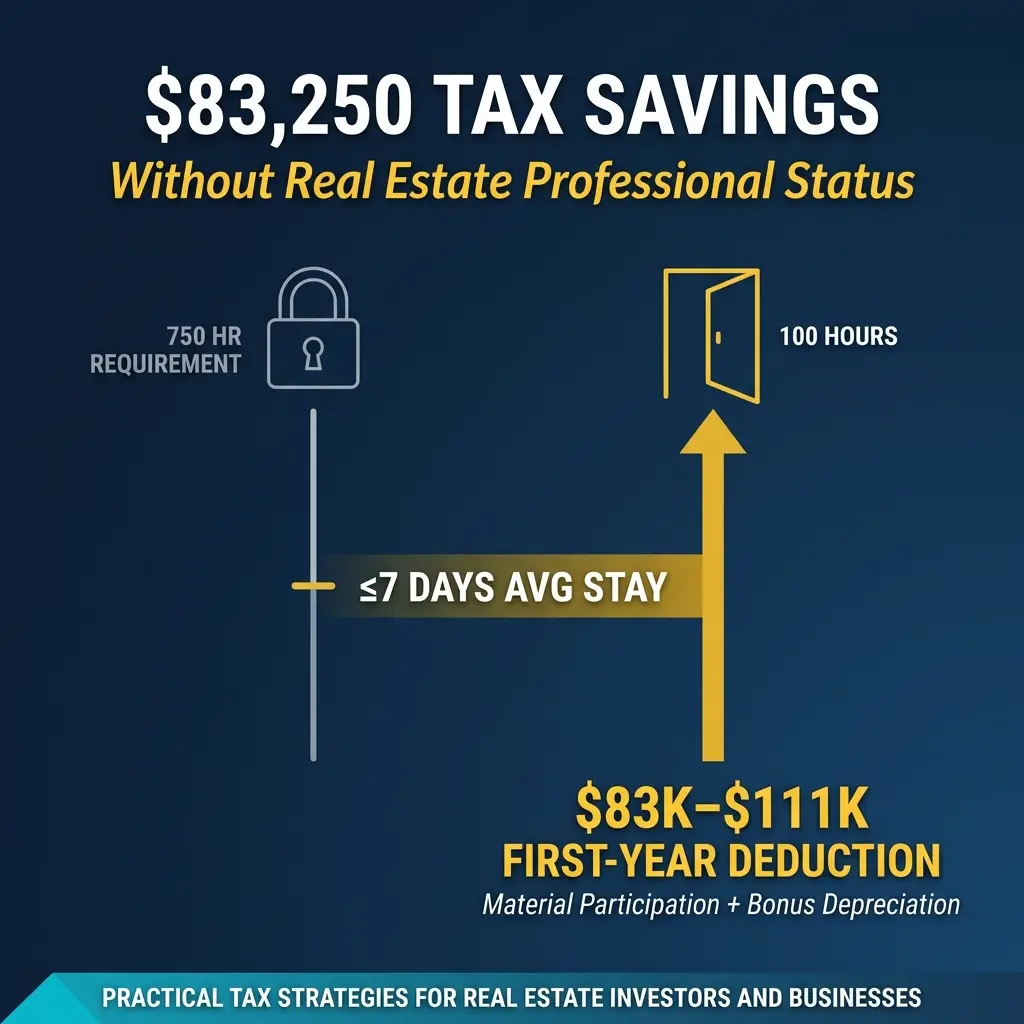
The Short-Term Rental Strategy Most High Earners Miss
TL;DR: High-earning W-2 employees don't need real estate professional status to offset active income with short-term rental losses. They use the Short-Term Rental Loophole. The material participation test (500 hours per year, or 100 hours if nobody …

July 1, 2026
Bonus Depreciation in 2026: What Real Estate Investors Need to Know After the One Big Beautiful Bill
TL;DR: The One Big Beautiful Bill restored 100% bonus depreciation permanently for property acquired after January 19, 2025. This changes acquisition timing, cost segregation value, and the 163(j) interest deduction trade. Recapture at exit is still…

June 30, 2026
How a Stepped-Up Basis at Death Nullifies Cost Segregation Depreciation Recapture
For real estate investors who've embraced cost segregation, understanding the stepped-up basis at death is a critical estate planning strategy. This mechanism can effectively neutralize the depreciation recapture tax that would otherwise burden heir…
June 21, 2026
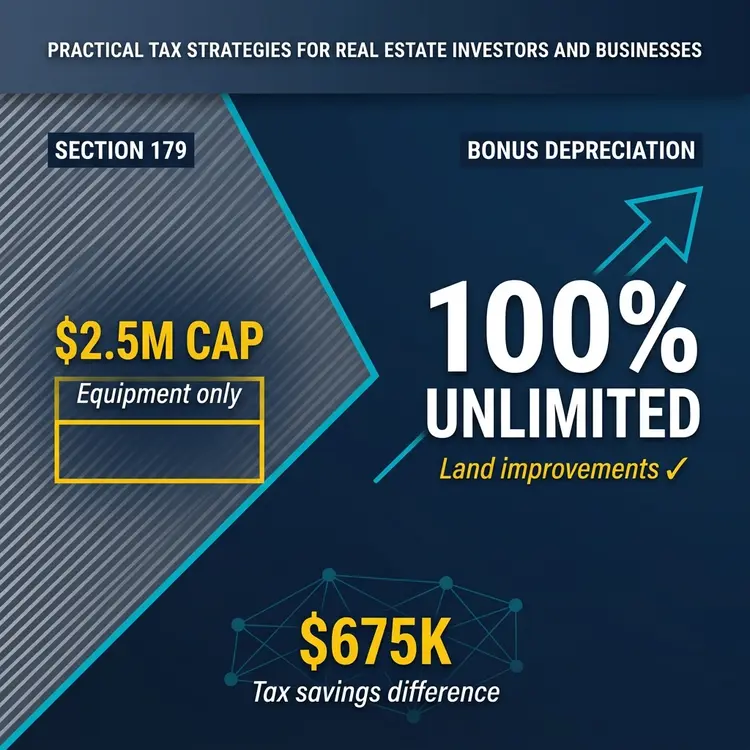
Bonus Depreciation vs. Section 179: Which Accelerates Real Estate Tax Savings
TL;DR: Bonus depreciation typically delivers larger first-year tax deductions for real estate investors compared to Section 179 because of no dollar caps, broader asset eligibility (including land improvements), and fewer income restrictions. The On…
May 29, 2026
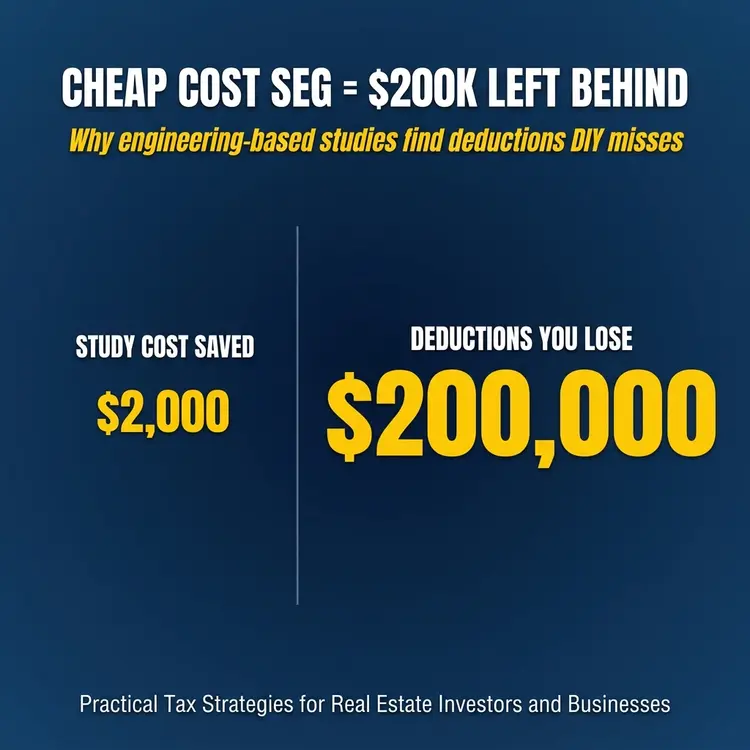
What Engineering-Based Cost Segregation Actually Looks Like
Engineering-based cost segregation studies use site inspections, blueprints, and construction documentation to reclassify a meaningful share of your property's cost basis into accelerated depreciation. Residential properties generally land in the 20…

May 25, 2026
The Math Behind Cost Segregation: How Breaking Down Your Building Accelerates Depreciation
TL;DR: Cost segregation studies reclassify property components into faster depreciation schedules (5, 7, or 15 years instead of 39 years). Residential generally runs 20% to 40% and varies by building. Commercial depends on property type and asset cl…
May 15, 2026
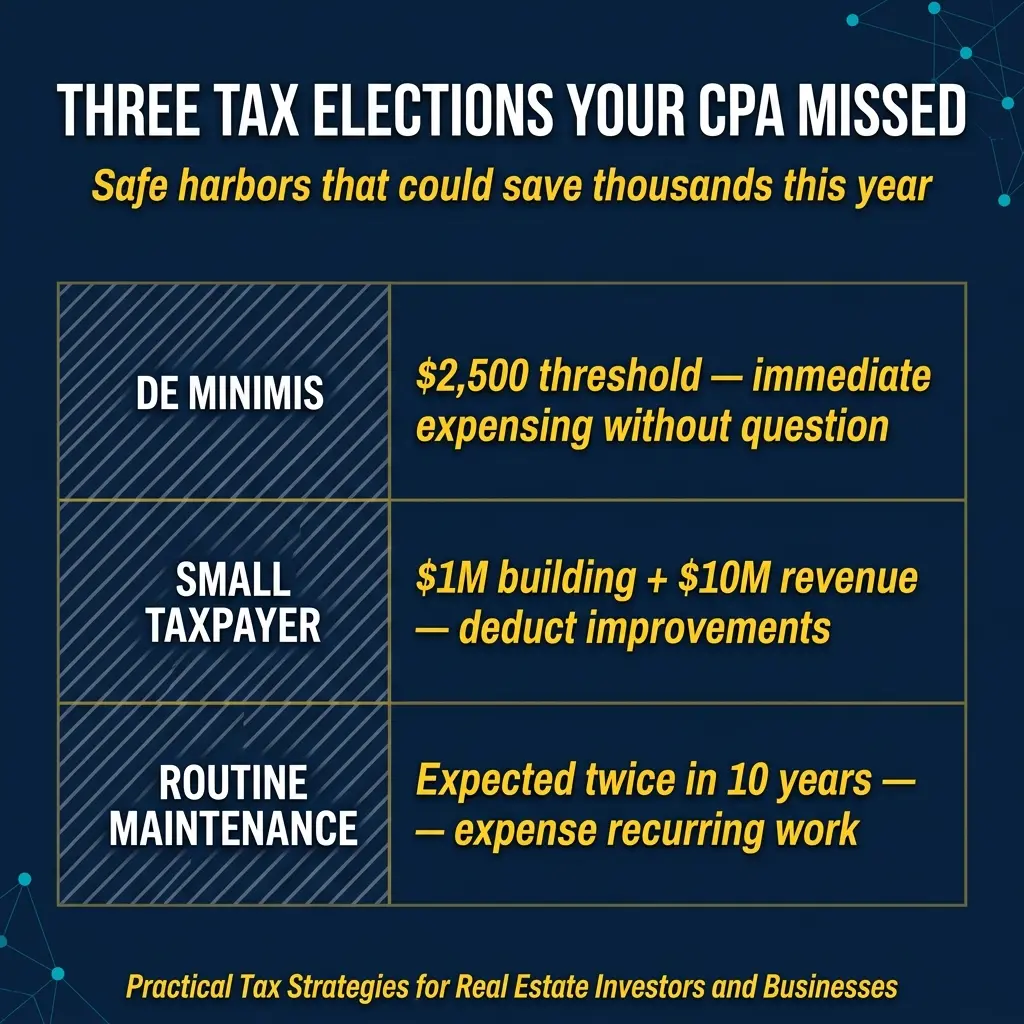
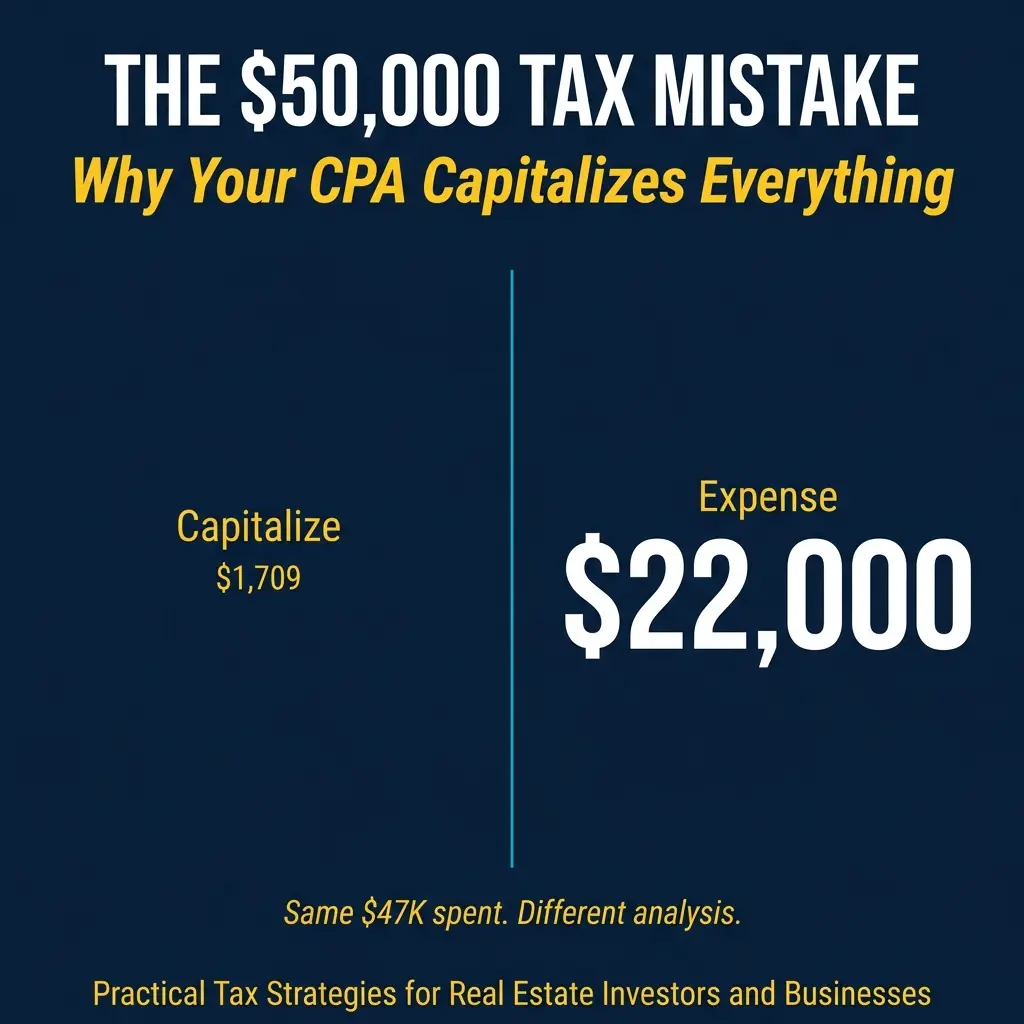
IRS Safe Harbor Elections: 3 Tax Deductions CPAs Miss
TL;DR: Three IRS safe harbor elections let you immediately expense repairs and equipment that most CPAs are capitalizing. The de minimis safe harbor ($2,500 threshold), small taxpayer safe harbor (improvements under $10,000), and routine maintenance…
May 9, 2026
Stop Capitalizing Everything: How the IRS Tangible Property Regulations Can Save Real Estate Investors Thousands
TL;DR: Repair vs Improvement Deductions. Most CPAs capitalize repair expenses when the IRS regulations allow immediate deductions. This costs business owners and real estate investors tens of thousands in year-one cash flow. The 2014 tangible prope…

May 7, 2026
What Most Investors Don't Know About Bonus Depreciation in 2026
I've spent decades watching real estate investors leave hundreds of thousands of dollars on the table. The pattern repeats: they assume their CPA is handling tax strategy when the CPA is only doing compliance. These are not the same thing, and right…

March 23, 2026
How Cost Segregation and Bonus Depreciation Work Together
Cost segregation breaks your building into its components so the short-lived pieces depreciate over 5 or 15 years instead of 27.5 or 39. Bonus depreciation then lets you deduct those reclassified assets in full the year the property goes into servic…